Last updated November 22, 2026
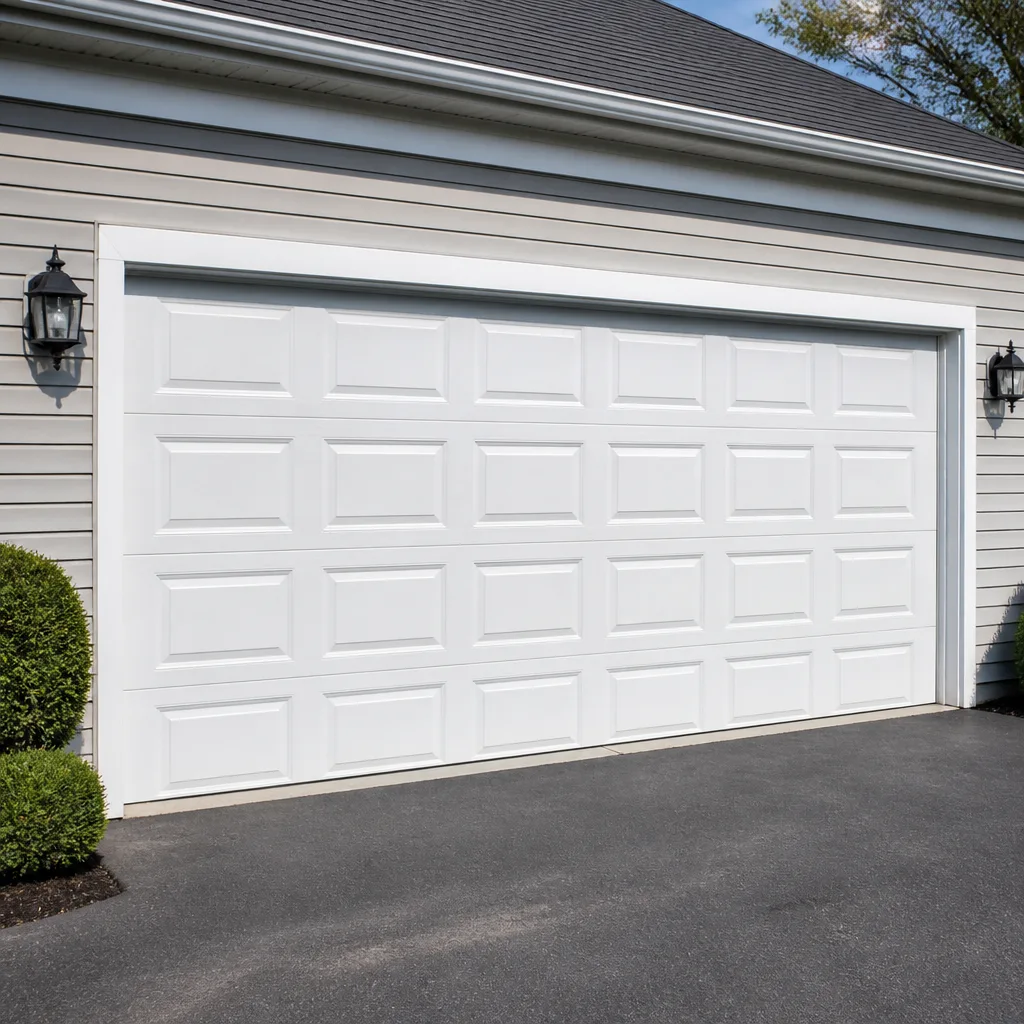 Raised-panel steel
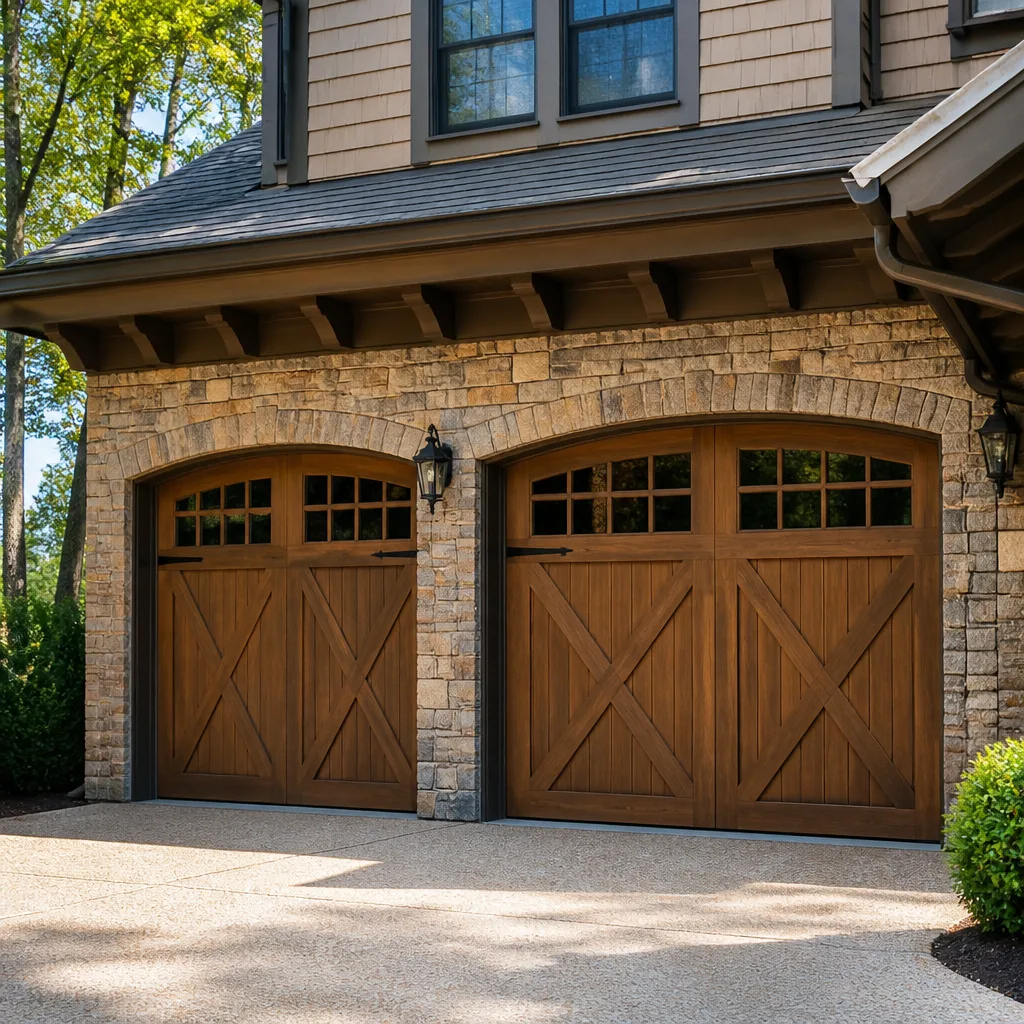 Carriage house
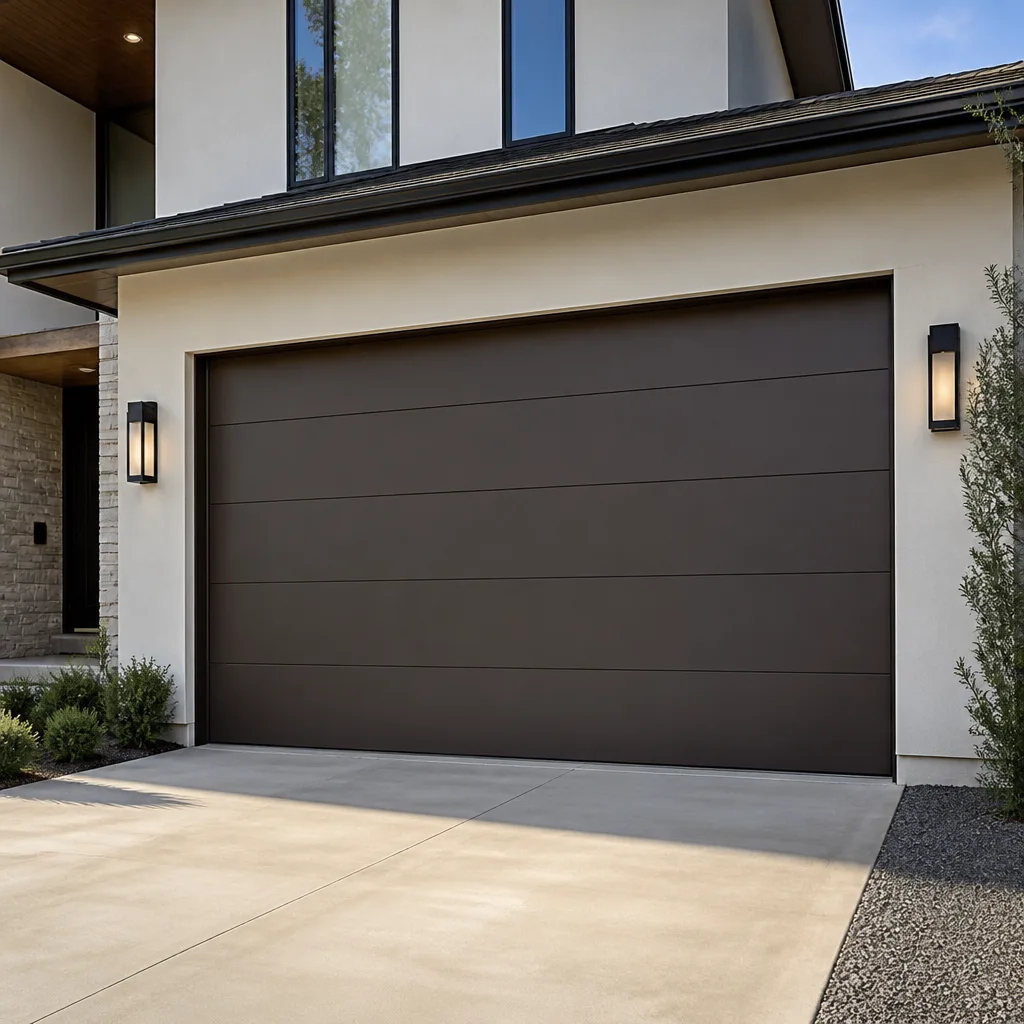 Modern flush
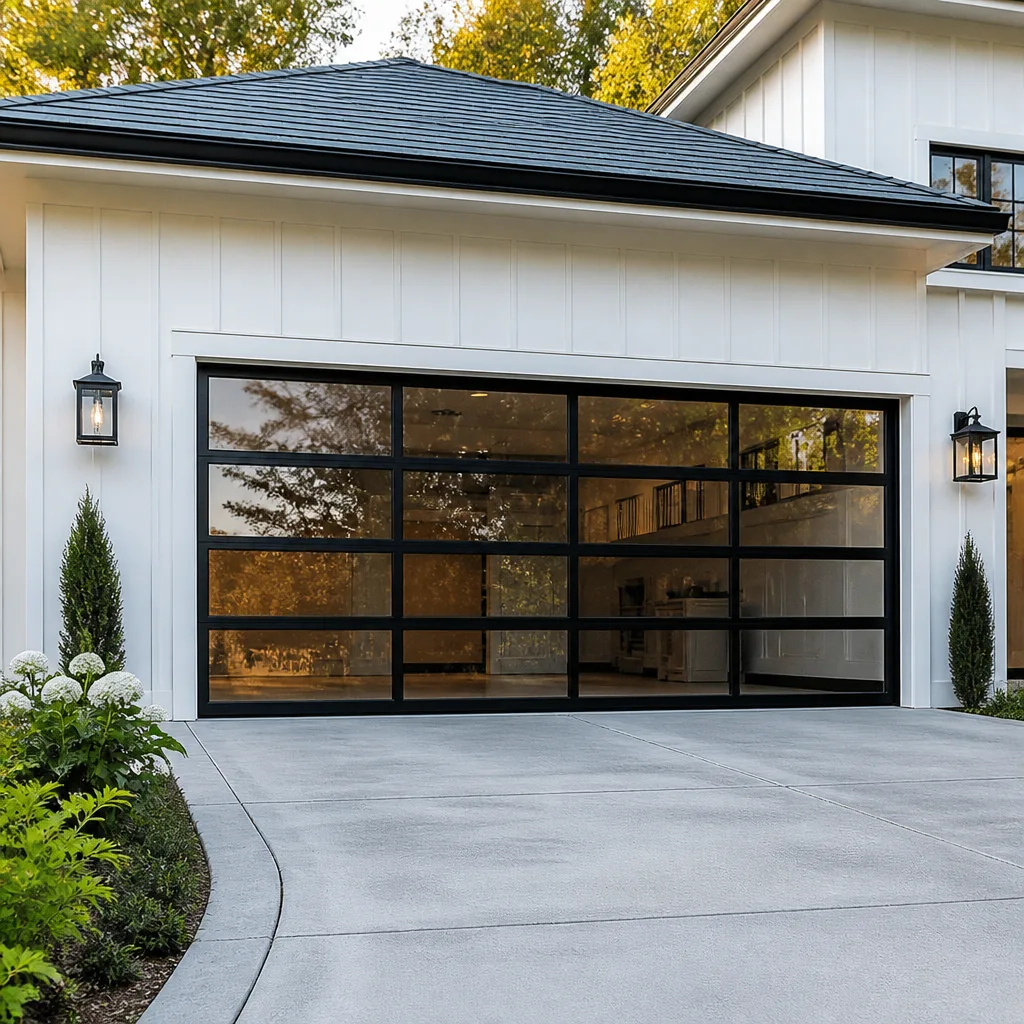 Full-view glass
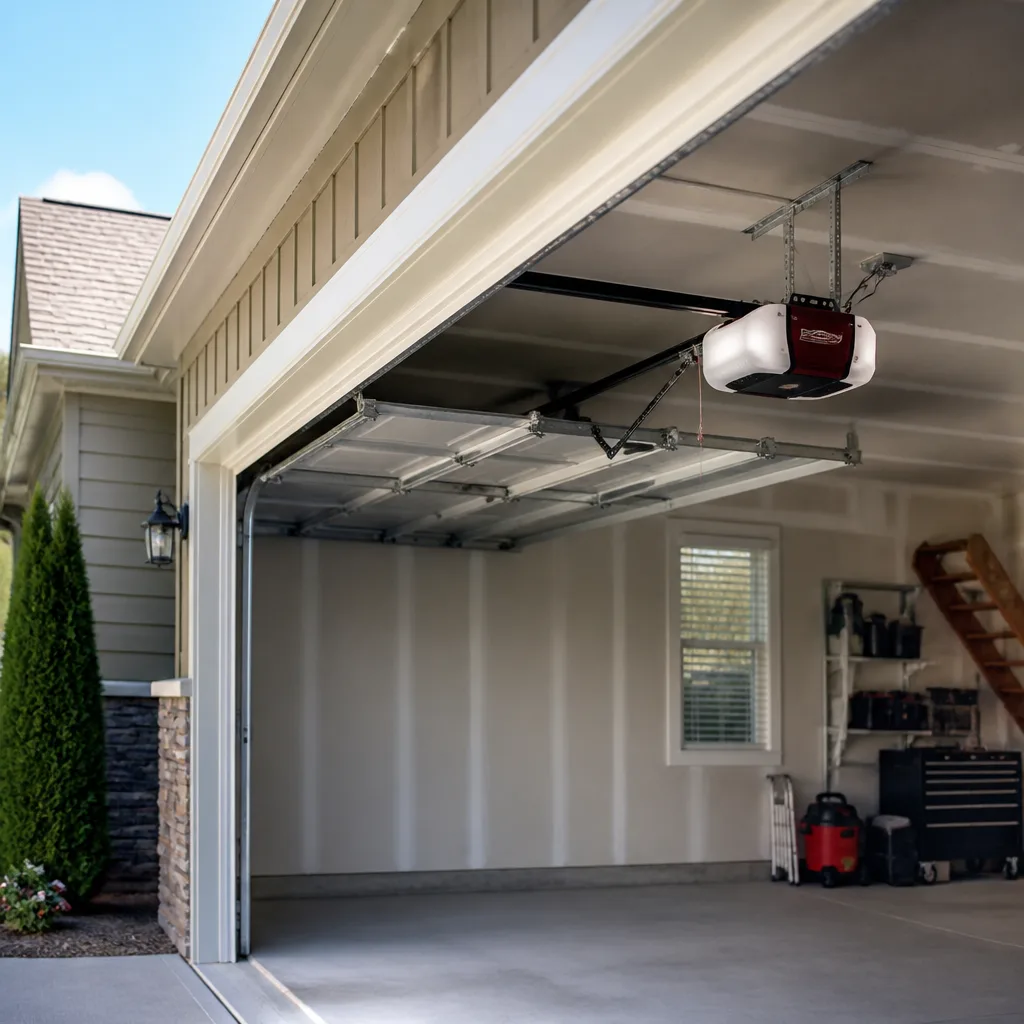 LiftMaster openers
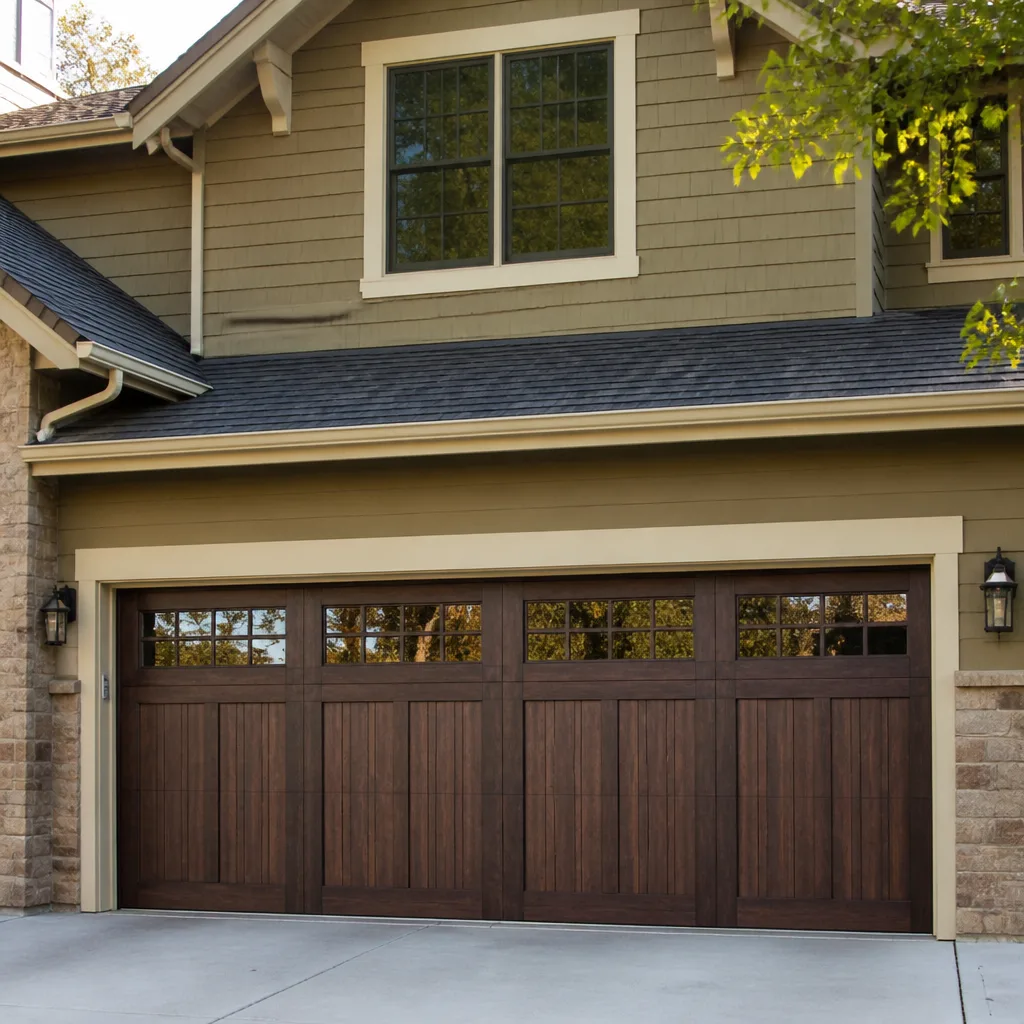 Chamberlain openers
Full 25-point door and opener safety check with every visit - springs, cables, rollers, tracks, and your LiftMaster or Chamberlain opener included
You get a price before we start. It does not change when the pro arrives.
Get your free estimateGarage Door Permits, Codes & Inspections in Quincy, MA: What You Need to Know
Here’s the part that surprises most homeowners: replacing a garage door is often permitted construction work in Massachusetts, but almost nobody files for the permit. A repair gets a pass. A brand-new door is a different category entirely, and when a buyer’s inspector flags an unpermitted replacement during a Quincy home sale, the problem surfaces at the worst possible moment. The permit itself is cheap. The closing delay is not. This guide walks through exactly when 780 CMR requires a permit for garage door work in Quincy, how the Inspectional Services Department handles the filing, what inspectors look at, and what your contractor should be doing versus what stays on you. Read it before you sign anything.
Quick Answer
In Quincy, MA, a full garage door replacement generally requires a building permit under the Massachusetts State Building Code (780 CMR), while a repair to an existing door, spring, or opener usually does not. The permit is filed with the City of Quincy Inspectional Services Department, typically by the contractor doing the work, and inspectors focus on the fire-rated door between the garage and living space, header load compliance, and opener safety standards. Opener replacement alone can fall on either side of the line depending on the scope, so confirm with Inspectional Services before you skip the paperwork.
Styles & brands we work with
- Raised-panel steel
- Carriage house
- Modern flush
- Full-view glass
- LiftMaster openers
- Chamberlain openers
Table of Contents
- When Does Garage Door Work Require a Permit in Quincy?
- What 780 CMR Says About Garage Door Replacement vs. Repair
- How to File a Permit With Quincy Inspectional Services
- What Inspectors Actually Check
- How Unpermitted Work Affects Insurance and Home Sales
- Why Quincy’s Weather and Housing Stock Change the Calculus
- Contractor vs. Homeowner: Who Handles What
- Common Mistakes to Avoid
When Does Garage Door Work Require a Permit in Quincy?
The short rule most Quincy contractors work from: a full door replacement is permitted work, and a repair to an existing door in its existing frame usually is not. The line matters because the two situations carry very different inspection exposure. If you’re swapping out a single bent panel or replacing a broken spring on the door you already have, you’re in repair territory. If you’re removing the old door and hanging a new one, especially a different size or a new model, you’ve moved into replacement.
The distinction gets fuzzier when the frame changes. Widening the opening, changing the header, or converting a manual door to a powered one touches structural and electrical scope, and those items pull a permit regardless of the door itself. Homeowners who assume the door is a simple swap get caught when the contractor has to cut into the header to fit a different track configuration.
Here’s how the three common categories break down:
- Repair (spring, cable, roller, panel, hinge, track adjustment to an existing door): usually no permit. This is the bulk of what we handle, and it’s why garage door spring repair is a same-visit service in most cases.
- Opener replacement: the door itself isn’t changing, so many opener swaps don’t trigger a permit, but any new electrical circuit or hardwiring does. Ask Inspectional Services to confirm your specific case.
- Full door replacement: generally permitted. New door, new track, new hardware, new opener, all installed as a package. This is the category that shows up in home sale disclosures.
If you’re not sure which bucket you’re in, that’s the moment to call the city rather than guess. A two-minute phone call to Inspectional Services settles it, and the answer is specific to your address and your project.
What 780 CMR Says About Garage Door Replacement vs. Repair
The Massachusetts State Building Code, 780 CMR, governs how the City of Quincy reviews residential construction. Garage door work falls under the code’s general provisions for alterations and repairs, but the practical reading is straightforward: 780 CMR distinguishes between repair work that restores an existing assembly and work that replaces it. A repair restores. A replacement substitutes a building component, and component substitution needs review.
We’ve watched this play out unevenly across Quincy. Plenty of garage doors have been swapped in recent years without a permit, which means there’s a real chance the door on your house right now was installed without one. That’s not a reason to panic. It is a reason to check the permit history before you list the house, because a buyer’s inspector will pull records and the absence of a permit on a newer door is a known flag.
The code also ties into the safety provisions that inspectors care about most:
- Fire separation. The wall and door between an attached garage and the living space have specific fire-resistance requirements under the code. Replacing that door with a non-rated unit undermines the assembly.
- Header and framing. A new door with a different weight, size, or track layout loads the header differently. Any framing change needs to be reviewed against the code.
- Opener safety. Automatic garage door openers must meet the safety standard requiring entrapment protection, which on modern openers means the photoelectric safety eyes plus the pressure-reversal function. Inspectors confirm these are working.
Opener brands we work with daily, like Genie and LiftMaster, all ship with the required safety systems. The question is whether they’re installed and adjusted correctly, which is a real inspection point. Brand isn’t the issue; calibration is. If you’ve got an opener question separate from the permit discussion, our garage door opener repair page covers the service side of that work.
How to File a Permit With Quincy Inspectional Services
Filing happens at the City of Quincy Inspectional Services Department, and in practice the contractor files on the homeowner’s behalf with the homeowner’s authorization. You don’t need to stand in line, but you do need to understand what’s being submitted so you can catch a problem before it becomes a delay.
Here’s the sequence:
- Confirm the scope with the contractor in writing. Door model, dimensions, track configuration, opener model, and whether any framing or electrical work is included. Vague scopes get vague permits.
- Gather the property and project details. Address, owner information, description of work, estimated cost, and the name of the licensed contractor performing the work. Have your contractor supply their state license information directly.
- Submit the application to Inspectional Services. The city will review the scope and either issue or ask for more detail. A clean, specific application moves faster than a one-line description.
- Post the permit on site. Once issued, the permit card goes somewhere visible, typically at the front of the house or in the garage, so the inspector can find it during the site visit.
- Schedule the inspection. After installation, the inspector comes out to review the work. On a straightforward door replacement this is a short visit, but it’s a real one.
- Close out the permit. Get the signed-off permit card and keep it with your home records. This is the document that matters when you sell.
The documentation that trips people up most often isn’t the door itself; it’s the contractor’s credentials. The contractor pulling the permit must be properly licensed for the work. When a homeowner asks a neighbor’s handyman to handle a door swap, the credential question surfaces at filing and the permit stalls.
What Inspectors Actually Check
The inspection on a garage door replacement in Quincy is not a deep-dive, but it’s specific. Inspectors are looking at whether the door you installed belongs in the opening, whether the surrounding structure is sound, and whether the safety systems on the operator actually work. It’s a short list done thoroughly.
The three items that come up on almost every visit:
- The fire-rated door between garage and living space. If your garage is attached to the house, the door and the wall assembly form a fire separation. The inspector confirms the new door meets the rating for that location. Installing a standard unrated door where a rated one is required will fail inspection, and the fix isn’t cheap.
- Header load compliance. The inspector looks at how the door header carries the weight of the door, track, and hardware. A header that’s undersized for a heavier door, or a header that’s been modified during installation, is a problem. Any new framing requires a framing inspection as well.
- Opener safety standards. This is where the entrapment protection matters. The inspector will verify the photoelectric eyes are mounted correctly and functioning, and that the door reverses on obstruction. An opener that “works” but fails the reversal test will fail inspection, and it’s a genuine safety issue, not a technicality.
On a replacement where the door is a different size from the original, expect the inspector to look closely at the opening dimensions and the frame. A door that fits loosely or tight against the frame gets flagged. This is one of the reasons we measure and order rather than guess: the inspection rewards accuracy.
If the door is a Clopay or an Amarr that matches the original opening exactly, the inspection is usually quick. If it’s a Wayne Dalton with a different track geometry, the inspector may spend more time on the header and track anchors. The visit follows the work, not the brand.
How Unpermitted Work Affects Insurance and Home Sales
This is where the permit stops being paperwork and starts being money. Two places it bites: an insurance claim, and a home sale. Neither is theoretical, and both surface at a moment when you have the least flexibility to fix them.
On the insurance side, the issue is not the door. It’s the disclosed condition of the house. An insurer that discovers unpermitted structural or safety-related work during a claim investigation can question coverage on the affected portion of the home. We’re not saying every claim on an unpermitted door gets denied; we’re saying the permit history is one of the first things an adjuster pulls when a claim touches that area. A homeowner without the paperwork is in a weak position to argue the work was done to code.
On the real estate side, the problem is more consistent. Buyer’s inspectors pull permit records as standard practice in Quincy. A newer garage door with no permit on file gets noted, and that note turns into a request for documentation, or a request for a credit. We’ve seen closings where the unpermitted door sat unresolved for days while the seller tried to source the install records. The permit costs less than a hundred dollars. The delay costs more in almost every case, and the buyer’s leverage grows with every day the paperwork isn’t there.
The fix for a past unpermitted install usually means filing a permit retroactively, which may require a site inspection and possibly corrective work before the city signs off. It’s doable, but it’s easier before you list than during a negotiation.
Why Quincy’s Weather and Housing Stock Change the Calculus
Quincy’s climate is a real factor in garage door durability and, indirectly, in permit timing. The freeze-thaw cycle across the winter months works on the door’s weather seal, the bottom rubber, the hinges, and the torsion springs. Springs in particular take a beating as temperatures swing, and a door that’s been through several winters in a Quincy neighborhood like Wollaston or Quincy Center often needs more than a panel swap by the time it gets replaced. Knowing this changes how you read the permit question: a replacement that’s actually a full rebuild of a worn assembly is more likely to be permitted work than a like-for-like door change.
The housing stock matters too. Quincy has a lot of older homes where the garage was added or modified over the decades, and the openings don’t always match modern standard door sizes. That means a replacement is more likely to touch the frame and the header, which is squarely permitted territory. A door that slides into the existing opening without disturbing anything is the easier case; a door that requires reframing is the one that needs review.
The practical takeaway for a Quincy homeowner is this: if the door is being swapped as a unit with no frame changes, the project is straightforward, but the permit is still typically required. If the frame is being modified, the permit is definitely required, and the inspection will cover both the framing and the door. Budget for the inspection phase, because a replacement that passes on the first visit is much cheaper than one that gets kicked back.
Contractor vs. Homeowner: Who Handles What
The split is cleaner than most people expect. The contractor is responsible for the technical content of the permit application, for pulling the permit under their license, for scheduling the inspection, and for correcting any deficiencies the inspector identifies. The homeowner is responsible for authorizing the contractor to file on their behalf, for making the property accessible for the inspection, and for keeping the signed-off permit record.
Here’s the full division:
- Contractor handles: the application scope description, license information, on-site permit posting, inspection scheduling, corrective work if the inspector flags something, and the final sign-off.
- Homeowner handles: authorizing the filing, confirming the scope matches what you agreed to in the written estimate, providing access for the inspection, and storing the permit card and inspection sign-off with your home records.
- Both share: the scope conversation before filing. If the contractor’s description says “replace door” but doesn’t mention the opener you’re also replacing, the permit may not cover the opener, and that gap surfaces at inspection.
When you’re choosing who to do the work, ask directly whether they file the permit and whether they’ve done it for a Quincy job before. A contractor who says “you don’t need a permit for this” without asking what kind of door, what size, and whether the frame is changing is not answering the question. You want the person who asks those questions first. Our technicians have up to 10 years of experience with this category of work, and we’d rather tell you the permit is required and file it than have you find out at closing.
That’s the reason we keep the full scope under one roof. Whether you’re looking at a garage door repair that stays in repair territory or a complete replacement that needs a permit and an inspection, one call covers the analysis and the filing. We’re familiar with the equipment too: if you’ve got a LiftMaster opener or a Chamberlain unit already installed, we can assess whether the door replacement scope should include the operator or leave it in place.
Common Mistakes to Avoid
- Assuming repair and replacement are the same. They’re not, and the permit question follows the distinction. A spring swap on your existing door is repair. A new door is replacement, and replacement usually needs a permit.
- Skipping the permit because the last door went in without one. An unpermitted install already on the house is a reason to check the records before you sell, not a reason to add a second one. Two unpermitted doors is twice the problem.
- Letting the contractor describe the scope vaguely. “Replace garage door” on a permit application that misses the opener, the framing, or the fire rating of the door leaves gaps the inspector will find. Write the scope down before it gets filed.
- Replacing a fire-rated door with a standard door. If your garage is attached to the living space, the door between them has a fire rating, and an unrated door in that location will fail inspection. Confirm the rating before you order.
- Ignoring opener safety calibration. A door that opens and closes but fails the reversal test is not a passed inspection. The safety eyes need to be mounted correctly and the pressure-reversal function needs to work, or the inspection fails.
- Not keeping the signed-off permit. The permit card that gets posted during the job is the document that proves the work was done legally. Scan it, file it, and keep it with your home sale packet. In Quincy, that piece of paper is worth more than its filing fee many times over.
- Filing after the sale is in motion. Retroactive permitting is possible, but doing it under a buyer’s deadline is the hardest version of the process. File before you list.
See the difference
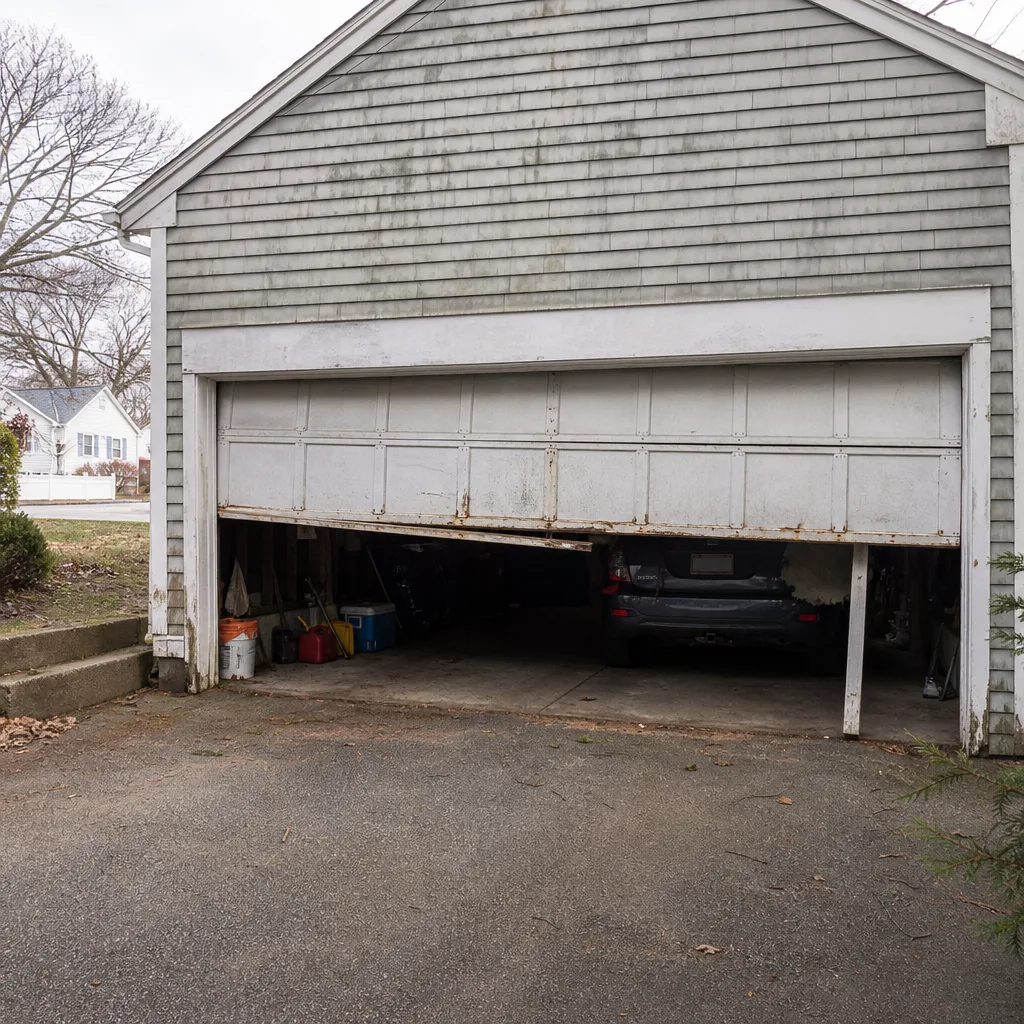 Before
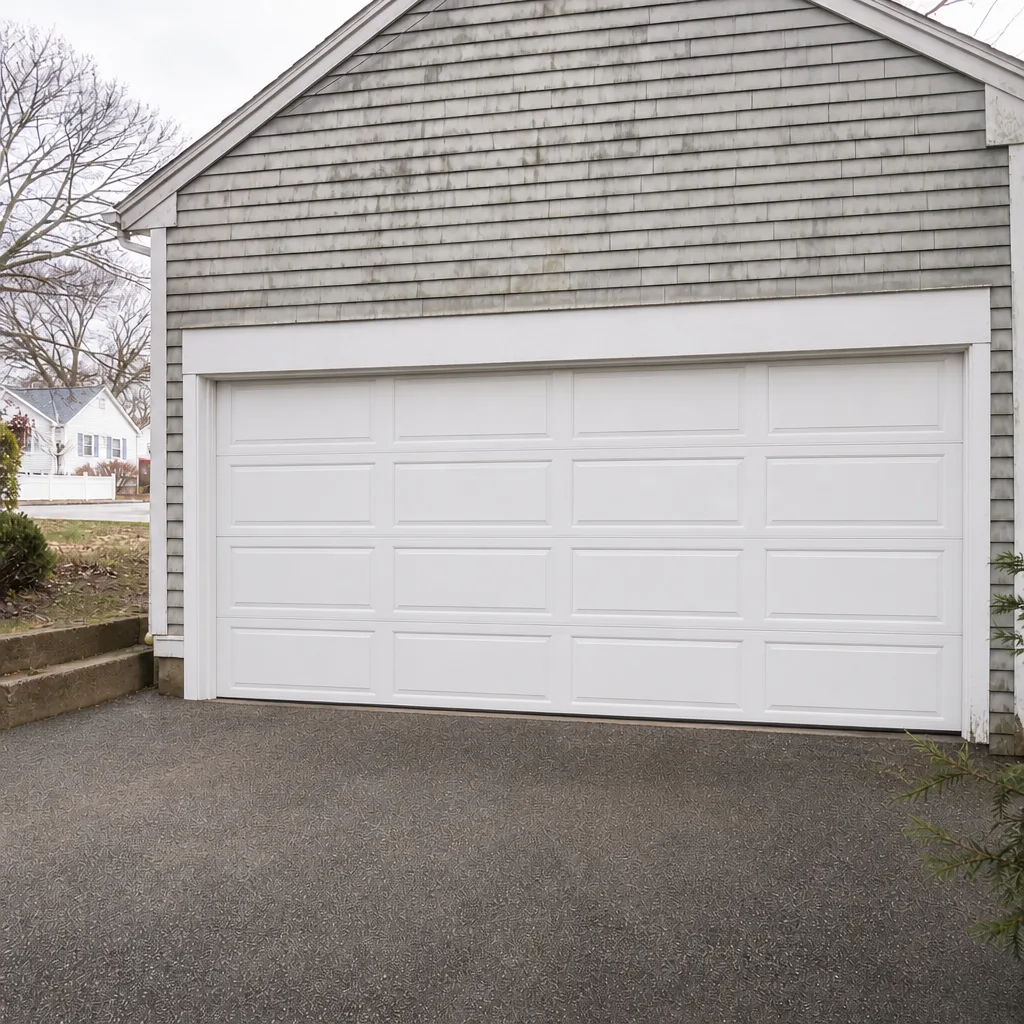 After
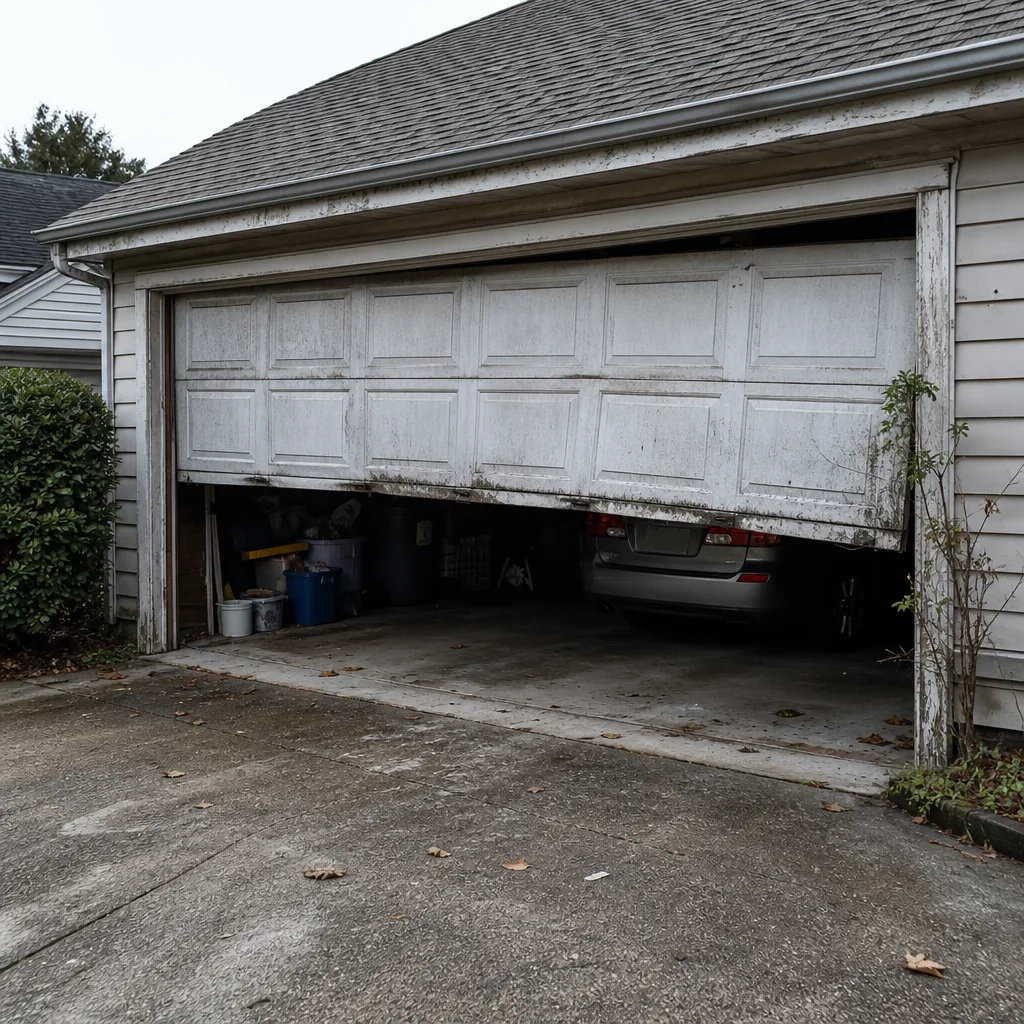 Before
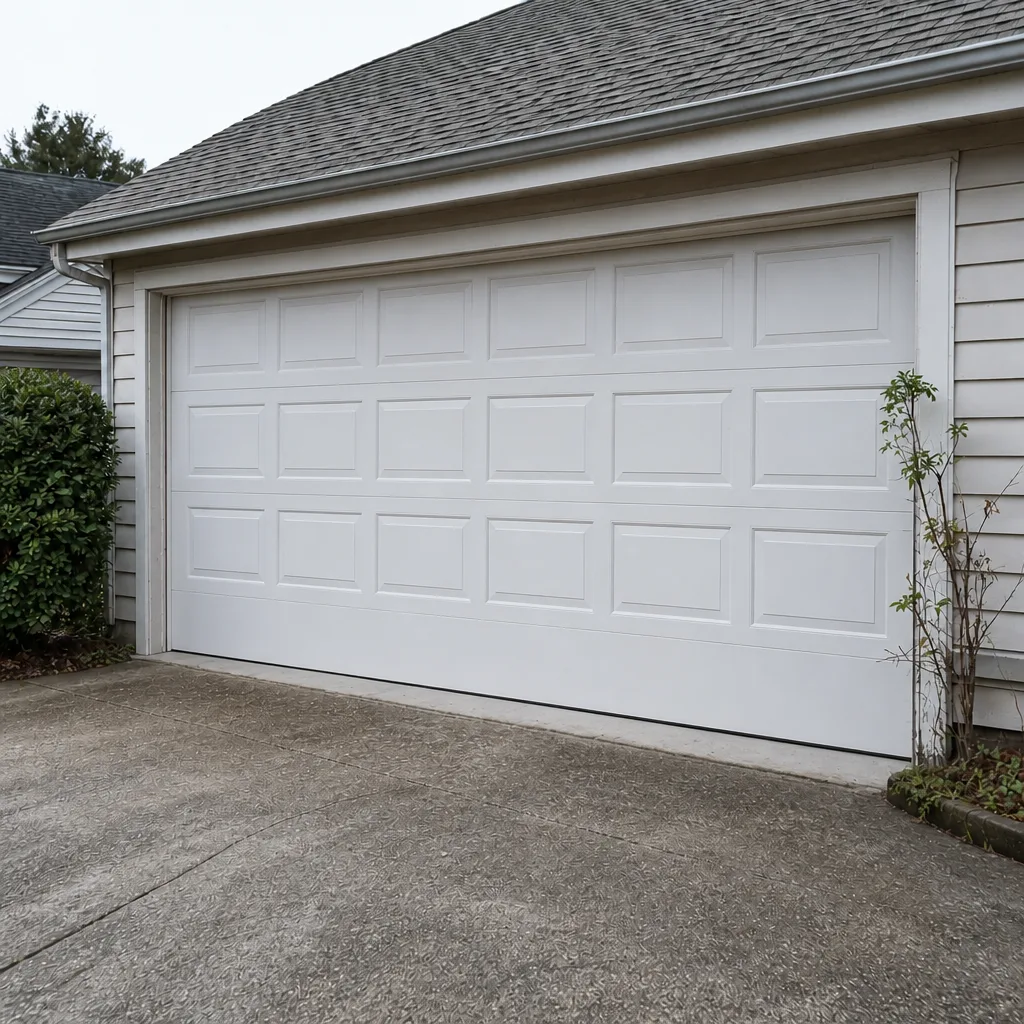 After
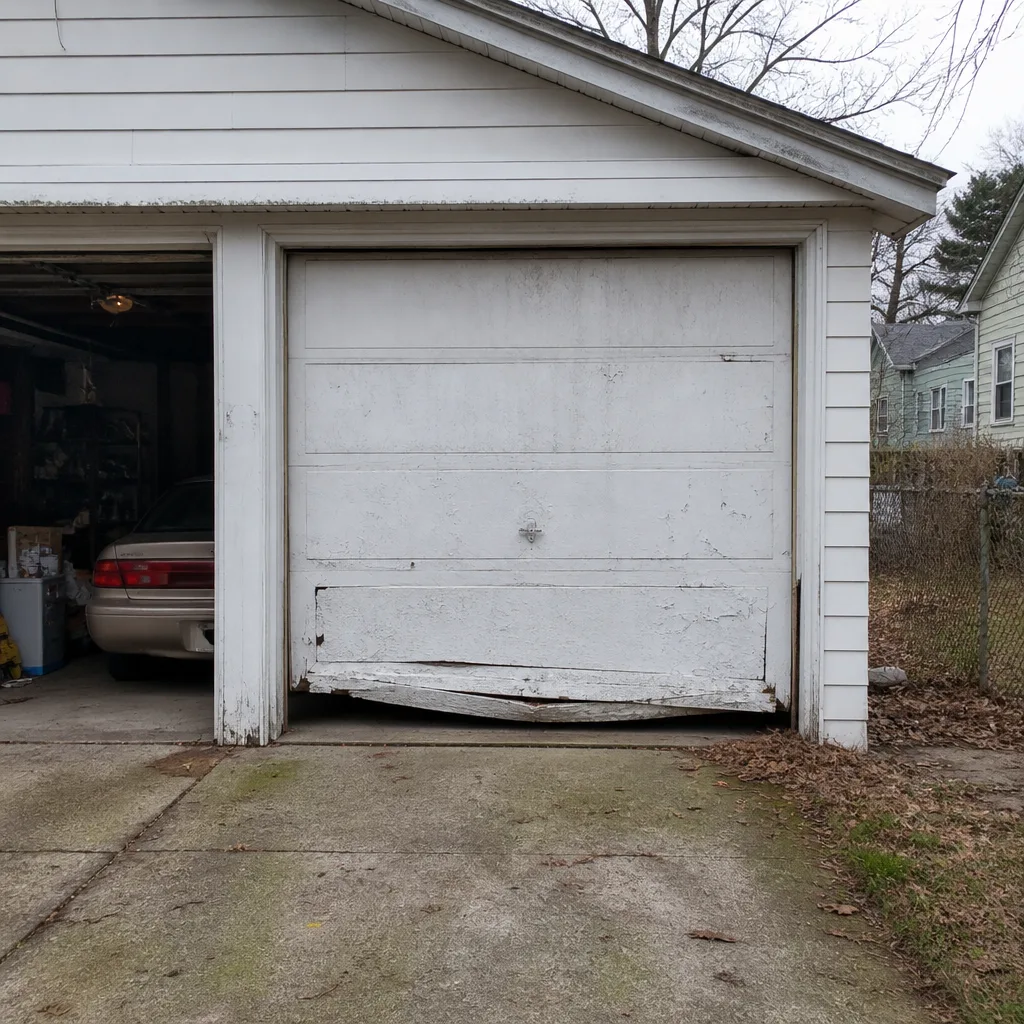 Before
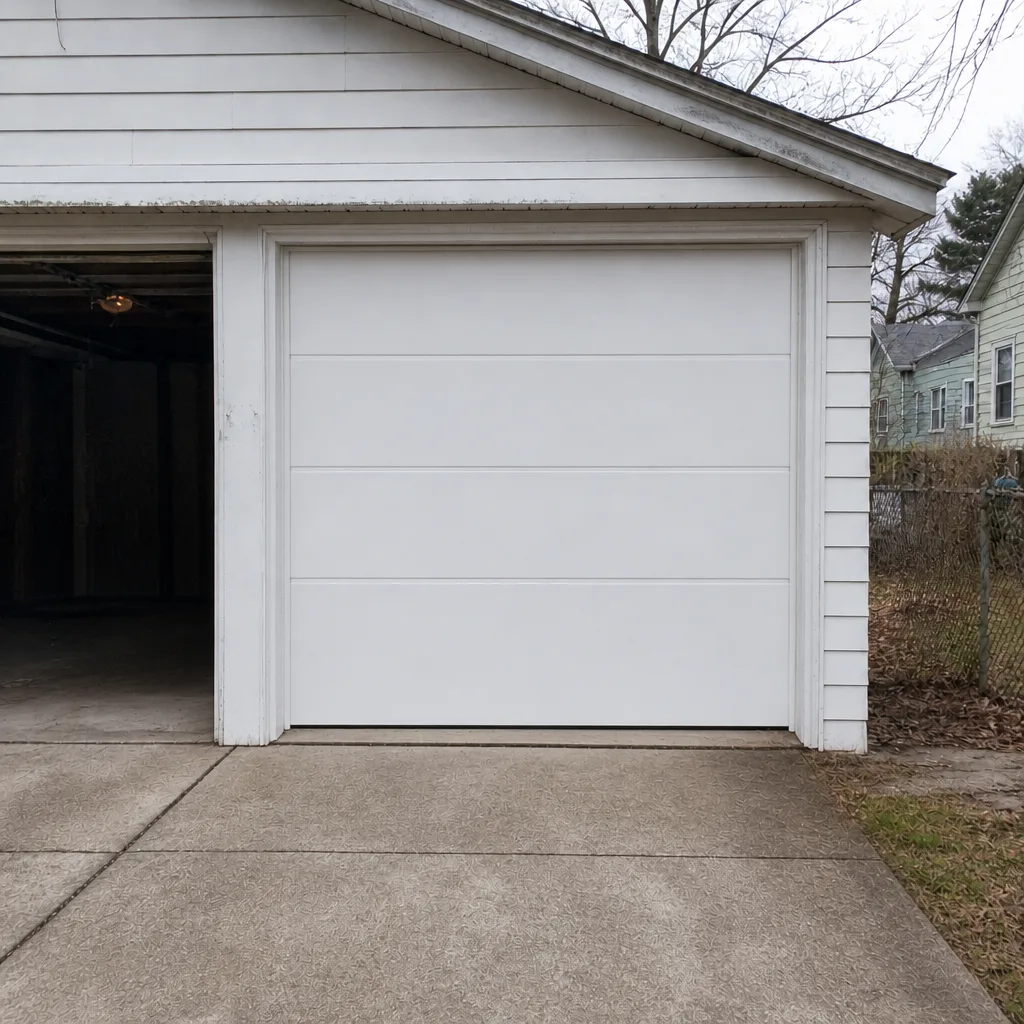 After
When to Call a Professional
Call a professional the moment the question is “is this a repair or a replacement?” because that answer drives everything downstream. Call us if you’ve got a door that’s visibly sagging, a spring that’s broken and unsecured, or an opener that runs but doesn’t reverse. Call us if you’re planning a replacement and want the scope written down cleanly before anyone files a permit. Call us if you’re selling a Quincy home and want to know whether the garage door records are clean before the buyer’s inspector gets there. We handle garage door repair and garage door opener repair in Quincy, and we handle the installation side too, so the scope stays in one place. Quincy Garage Door Repair Co offers free estimates in Quincy. Call (855) 337-1177. The price is quoted and agreed before any work starts, and if a permit is needed, we’ll discuss it as part of the estimate.
Frequently Asked Questions
In most cases, yes. A full garage door replacement in Quincy generally requires a building permit under 780 CMR, filed with the City of Quincy Inspectional Services Department, while a repair to an existing door usually does not. Confirm the specific scope with Inspectional Services before you skip it; the permit filing is cheap and the absence of one is a known problem at home sale. Call (855) 337-1177 if you want us to walk through your scope before you file anything.
Often not, as long as no new electrical circuit is created, but it depends on the installation. A like-for-like opener swap that uses the existing wiring usually stays out of permit territory, while any new hardwiring or circuit work pulls one. The safety calibration on the opener still has to be correct regardless of permit status. Call us for a free estimate and we’ll flag the electrical question upfront.
The permit filing itself is typically well under a hundred dollars in Quincy, which is why the permit is the cheapest part of the project. The cost that matters is the delay and the negotiation leverage if the work is done unpermitted and discovered later. Your written estimate from us breaks out the permit line separately. Call (855) 337-1177 for the current breakdown.
The inspector verifies the fire rating of the door between the garage and living space if the garage is attached, checks header load compliance on any framing changes, and tests the opener’s safety systems including the photoelectric eyes and reversal function. It’s a short visit on a clean replacement and a longer one if the frame was modified. Correcting deficiencies is part of the contractor’s job. Call us if you’ve had a failed inspection and need the work brought to spec.
It can affect a claim on the affected area, and it’s routinely flagged during a real estate transaction. Insurers look at permit history when a claim touches structural or safety-related work, and buyer’s inspectors pull those records as standard practice. Having the signed-off permit in your records is the simplest protection. Call (855) 337-1177 for a free estimate on bringing unpermitted work into the permitted process.
Yes, a spring repair on an existing door is repair work, not replacement, and doesn’t trigger the permit process. Springs are also the most dangerous component on the door, so the work belongs with a trained technician rather than a generalist. Our garage door spring repair service covers the spring replacement itself, and the price is agreed before we start.
The Bottom Line
The permit question in Quincy comes down to three things: whether the door is being replaced rather than repaired, whether the frame or opener scope pulls in additional work, and whether the records are clean before you sell. Repair work usually skips the permit. Replacement generally doesn’t. The filing itself is inexpensive and typically handled by the contractor, and the inspection rewards a clean scope described in writing. If you’re planning a replacement in Quincy, or you’ve found an unpermitted door on your house during a sale, the fastest way to sort it out is to call and get the scope in writing. Call (855) 337-1177 for a free estimate. We work on your brand, from Genie openers to Clopay and Amarr doors, and one call covers the repair-or-replace call, the permit conversation, and the installation itself. You can also start with Quincy Garage Door Repair Co for the full picture of what we handle.
Written by the team at Quincy Garage Door Repair Co.