Last updated November 22, 2026
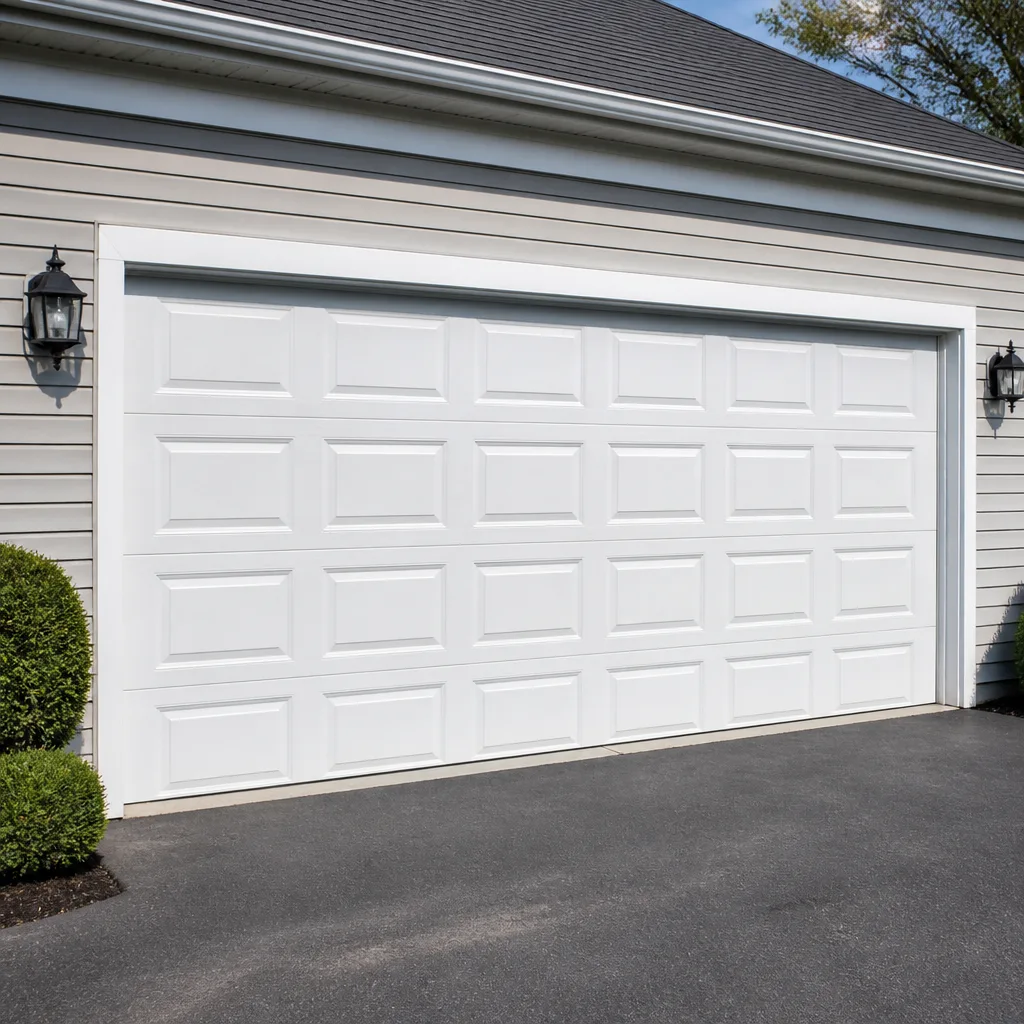 Raised-panel steel
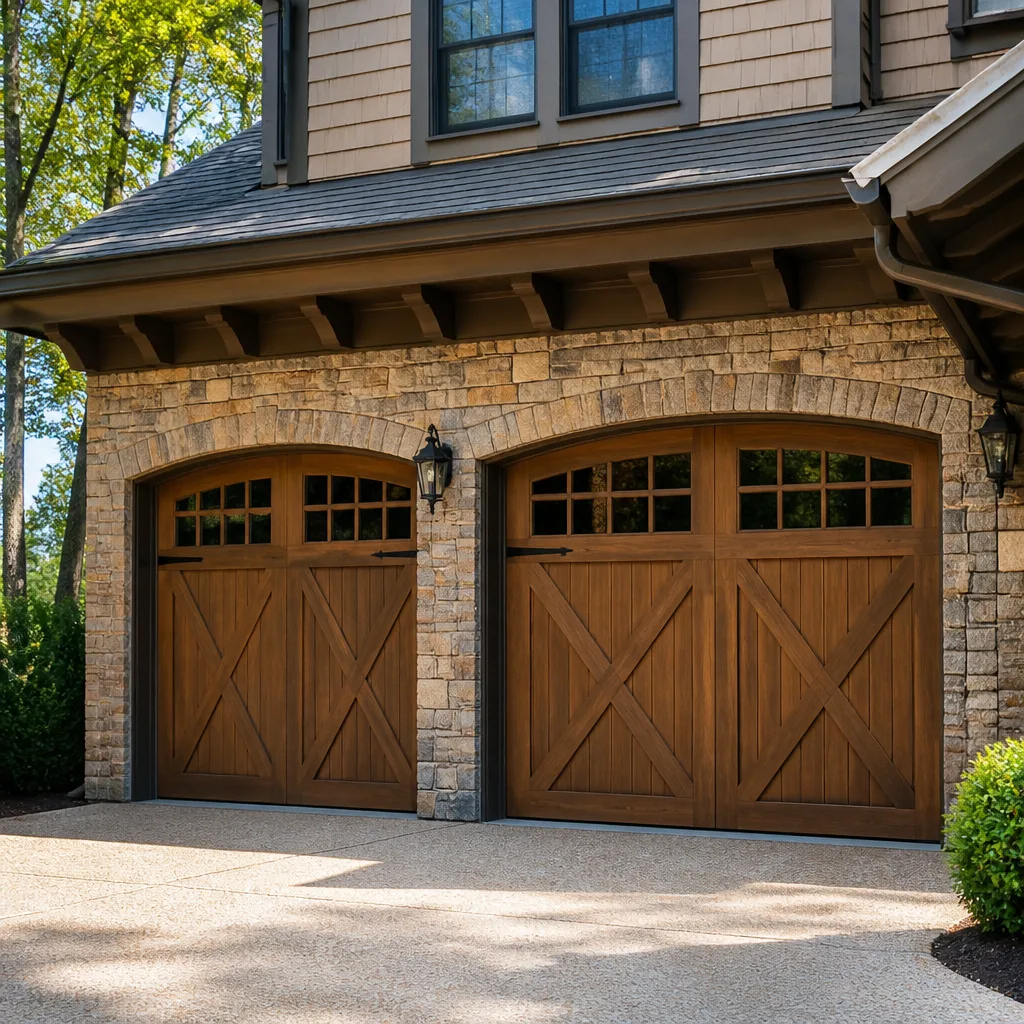 Carriage house
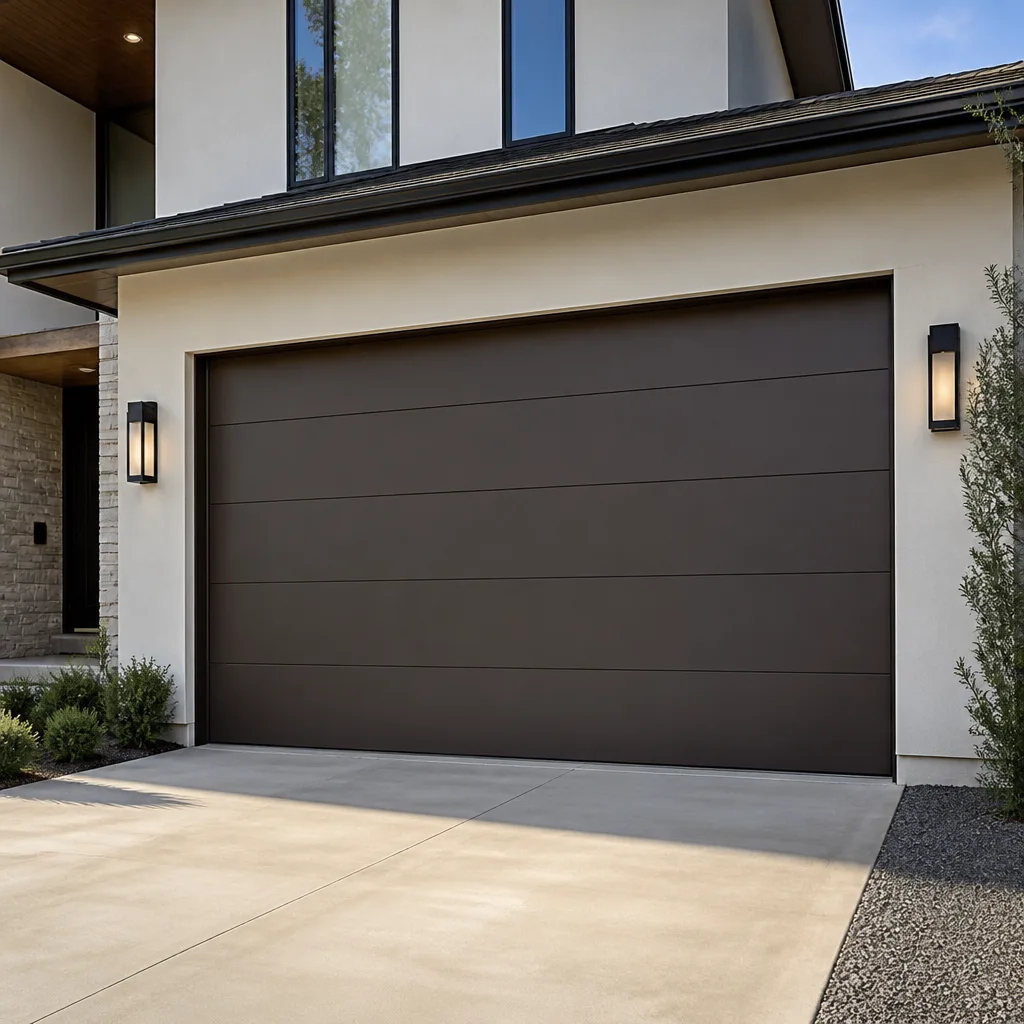 Modern flush
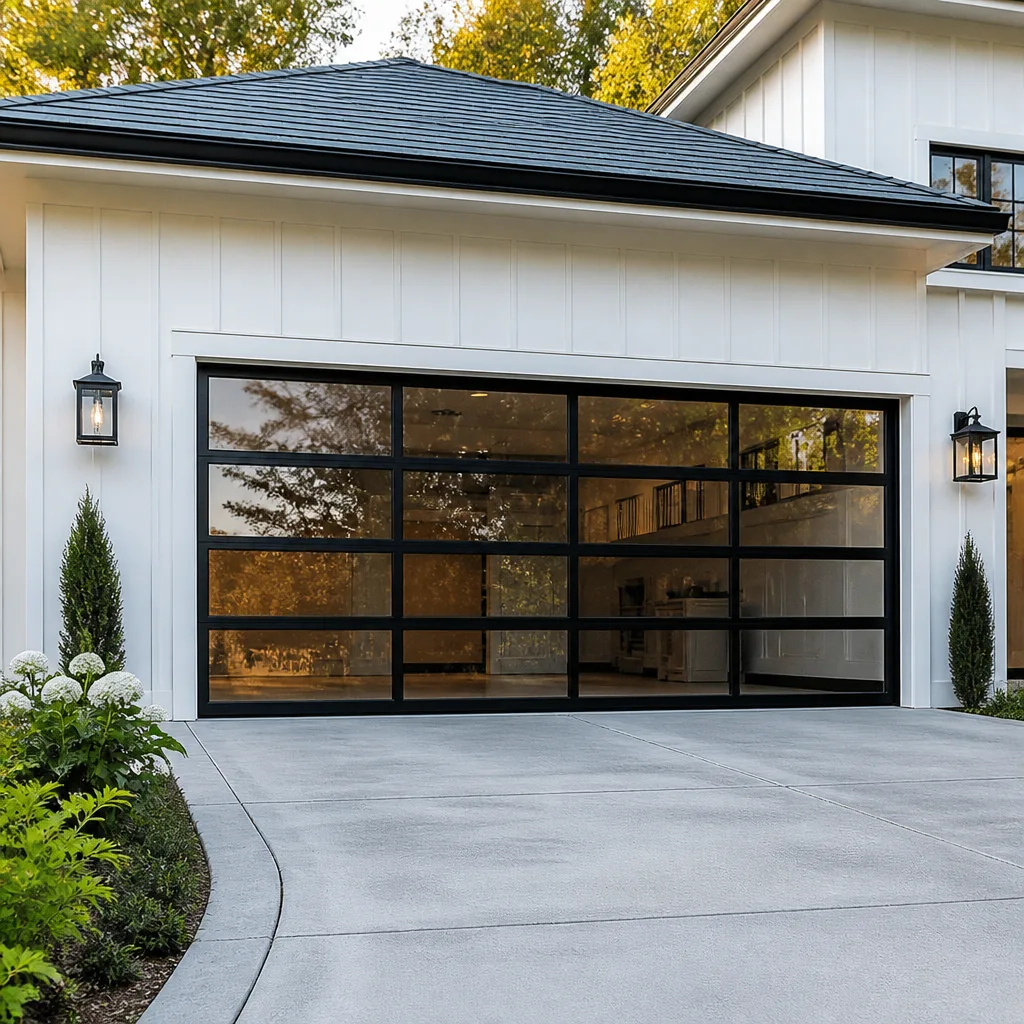 Full-view glass
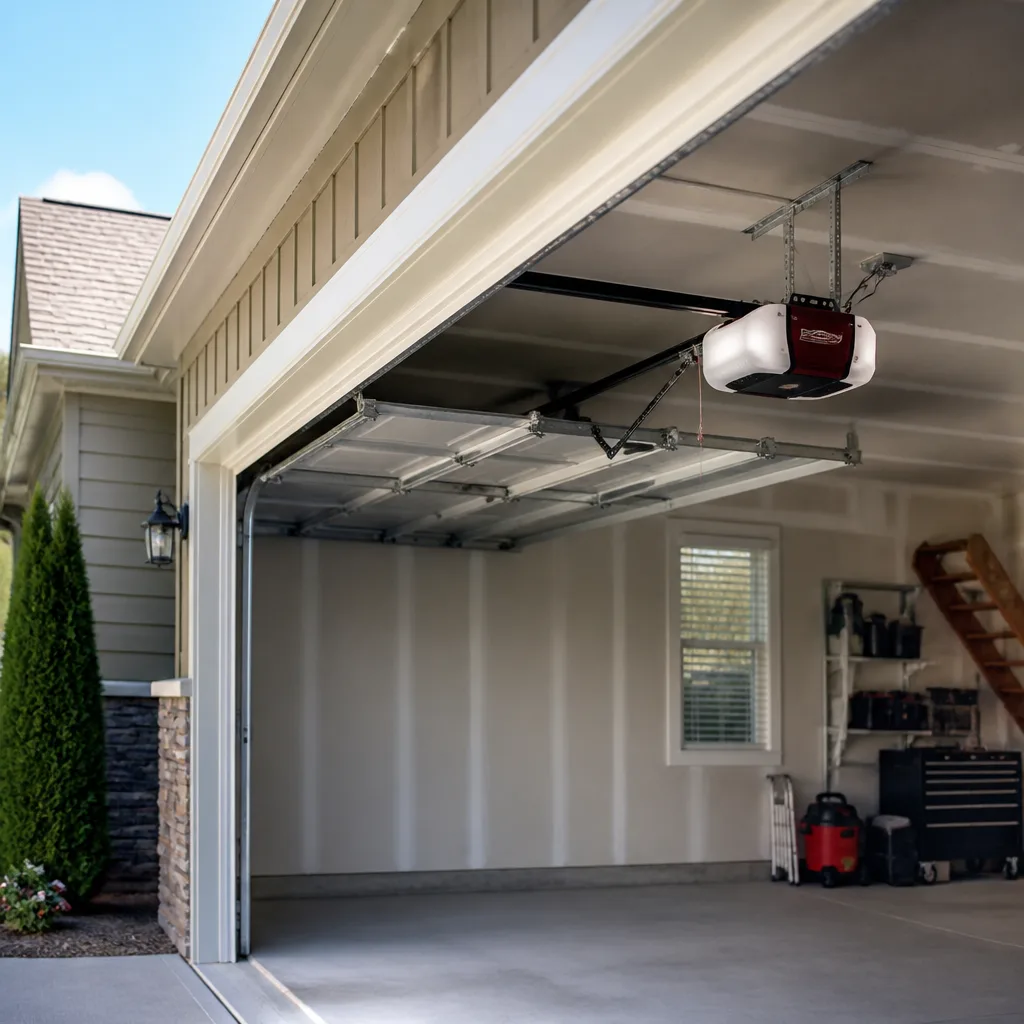 LiftMaster openers
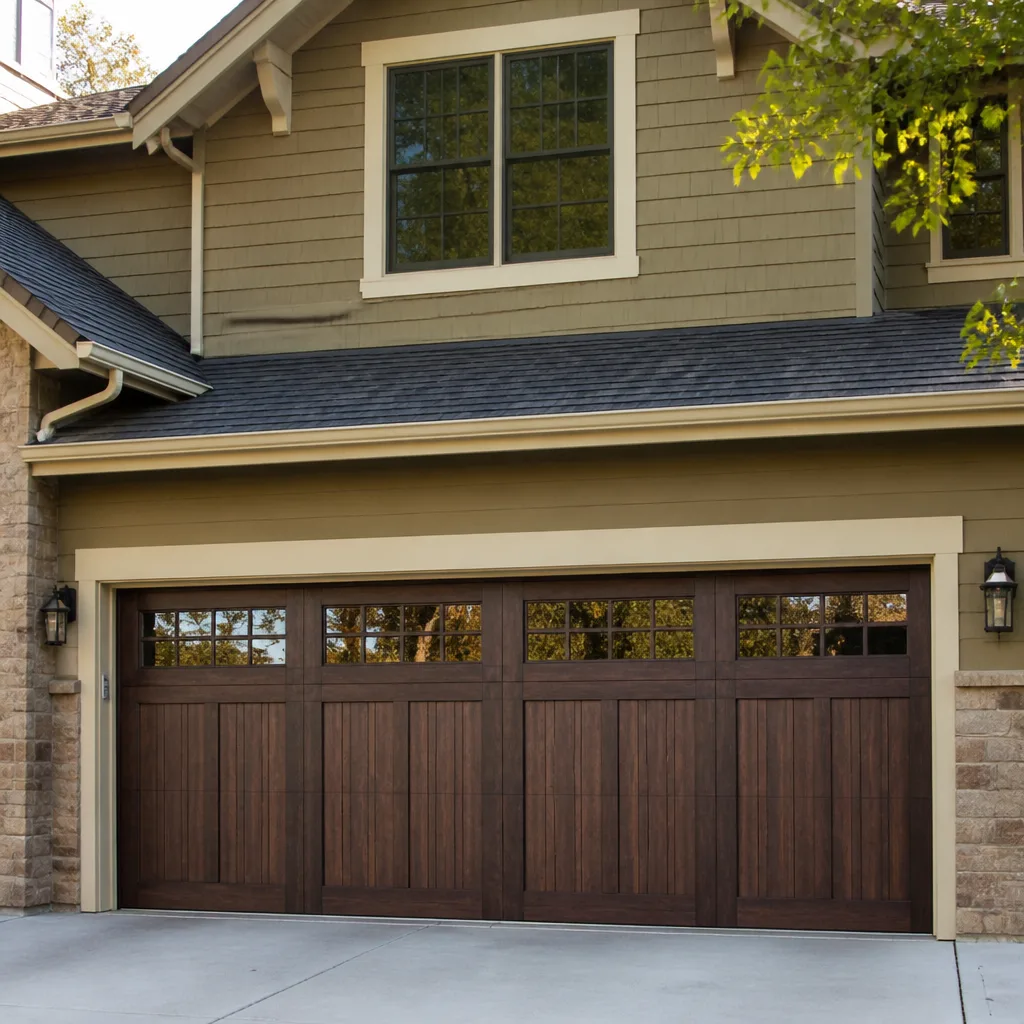 Chamberlain openers
Full 25-point door and opener safety check with every visit - springs, cables, rollers, tracks, and your LiftMaster or Chamberlain opener included
You get a price before we start. It does not change when the pro arrives.
Get your free estimateGarage Door Warning Signs: A Quincy Homeowner’s Reference Guide
A grinding noise and a squealing noise coming from the same garage door point to two completely different failing parts, and the fix for each is nothing alike. Most homeowners hear “something’s wrong” and stop there, which leaves the door wide open for a repair that costs more than it should. Quincy homes deal with a particular set of conditions too: hard winters, humid summers, and older door systems that have been cycling up and down for years. What follows is a reference guide to the sounds, sights, and habits that tell you which component is in trouble, so when you call a technician you can describe the problem in plain terms and know whether you need a small adjustment or a full replacement. We’ve written this to help you read your own door.
Quick Answer
Garage door warning signs fall into three groups: sounds (grinding, squealing, banging, clicking, humming), visuals (sagging panels, frayed cables, worn rollers, a damaged bottom seal), and behavior (a door that works “most of the time” but fails intermittently). Grinding usually means a worn roller or dry hinge, squealing points to a dry spring or lack of lubrication, and banging or a sharp snap means a spring or cable has failed and the door should not be used until a professional checks it. Any warning sign that involves cables, springs, or the door dropping fast is a safety failure, not a cosmetic one.
Styles & brands we work with
- Raised-panel steel
- Carriage house
- Modern flush
- Full-view glass
- LiftMaster openers
- Chamberlain openers
Table of Contents
- How a garage door fails, part by part
- Reading the sounds: grinding, squealing, banging, clicking, humming
- Visual warning signs by location
- Cosmetic versus safety failures
- Warning signs specific to Quincy homes
- What “it works fine most of the time” really means
- How to describe your problem accurately
- When to call a professional
How a Garage Door Fails, Part by Part
A sectional garage door is a fairly simple machine when you break it into five working parts: the door panels, the springs (torsion above the opening or extension along the tracks), the cables that connect the springs to the bottom corners of the door, the rollers and hinges that ride inside the tracks, and the opener with its rail and safety sensors. When any one of these wears out, the door doesn’t just stop working. It changes behavior, sometimes slightly, sometimes dramatically, and that change is the warning sign.
The reason this matters for a homeowner in Quincy is that a door rarely fails without any notice at all. In our experience most breakages give days, weeks, or months of signals before they stop the door entirely, but those signals tend to get ignored because they don’t interrupt the daily routine. A door that makes a small noise still opens, so nothing gets done until it doesn’t.
- Springs carry the weight, so their condition decides whether the motor or a person can lift the door safely. A weakening spring makes the door feel heavier and can eventually break with a hard snap.
- Cables are under constant tension. A frayed or slack cable can let a corner of the door drop, so never work near them.
- Rollers and hinges ride in the track and take the most friction. Worn rollers are the most common source of grinding.
- Panels give the door its structure. A panel that separates or bends affects how the whole door travels in the track.
- The opener does the pushing and pulling. It also houses the safety sensors and the force settings that decide whether the door reverses on contact.
Once you understand which part does what, the noise your door is making starts to point somewhere specific instead of just sounding wrong.
Reading the Sounds: What Grinding, Squealing, Banging, Clicking, and Humming Mean
Each distinct sound points to a different component. Here’s a diagnostic index for the five noises homeowners mention most often in Quincy. Match the sound you hear to the part most likely behind it, and you’ll know roughly what a technician should be looking at before anyone arrives.
Grinding
Grinding is a friction sound, and it almost always points to something metal touching metal where it shouldn’t. That means a worn or seized roller, dry hinge pins, or debris inside the track. If the grinding gets louder toward one side of the door, the roller on that side is the usual suspect. Ignoring it wears the roller down further and can start to damage the track itself.
Squealing
Squealing is the sound of something dry. A torsion spring that hasn’t been lubricated, a hinge pin, or a roller bearing are the usual culprits. A garage door squeal is a low-risk noise in its earliest stages, and lubrication or a roller replacement usually resolves it. It’s the mismatch between squealing (dry part) and grinding (worn part) that matters. A technician who recommends a whole-spring replacement for a squeak has skipped a step.
Banging or a Sharp Snap
A loud bang followed by a door that won’t open is the classic sound of a broken torsion spring. This is a stop-what-you’re-doing sound. The door is no longer safely counterbalanced, and using the opener on a broken spring can burn out the motor or, worse, drop the door. Leave the door closed, don’t force it, and call for professional garage door spring repair.
Clicking
Clicking usually comes from the opener, not the door. It can be a faulty relay inside the opener unit, a gear slipping, or the safety sensors failing to trip. In our experience a repeated click-click-click when you press the remote is common on older garage door opener repair calls, especially on Chamberlain and Genie units that have run for years in cold weather. That’s an opener problem, not a spring or cable problem.
Humming
A hum with no door movement means the opener motor is getting power but the door isn’t moving. Causes range from a jammed track to a stripped opener gear to a broken spring springing the door too heavy to lift. Because the “hum but no movement” symptom can have either a mechanical or an opener cause, this is a good one to describe over the phone to a technician.
Visual Warning Signs by Location
Not every failure is audible. Walk out to the door once a season and look at these five areas in this order. It takes five minutes and can catch a failure weeks before it strands you.
Top Section (Springs and Mounting)
- Gap in a torsion spring: A torsion spring should look like one continuous coil. A visible gap or a two-piece spring means it has broken.
- Sagging center bracket: If the bracket holding the torsion bar is pulling away from the wall or the drywall around it, the spring is under strain.
- Rust on the coil: Light surface rust is common. Flaking or a coil that looks coated in orange dust is a sign the spring has weakened.
Cables and Bottom Corners
- Frayed or kinked cable: A cable that looks like a frayed rope or has a visible kink is a safety issue. Do not adjust it yourself.
- Uneven gap at the bottom: If one corner sits higher than the other, the cables are out of balance or one has slack.
Rollers and Hinges
- Flat spots: A roller that’s worn flat instead of round will scrape as it turns.
- Bent hinges: Hinges should sit flush. A bent one usually means the door took a hit or the track is off.
Bottom Seal
- Cracked or missing rubber: The bottom seal is what keeps water, cold air, and pests out. In Quincy’s wet winters a hardened or missing seal lets water pool under the door and into the slab.
Opener Rail, Belt, and Sensors
- Sagging rail: A rail that dips in the middle strains the opener.
- Frayed belt or chain: Look for slack, missing pieces, or grease where the drive should be clean.
- Dirty sensor lenses: The safety sensors are the two small lenses near the floor. A smudge on the lens mimics a much bigger opener failure.
Cosmetic Versus Safety Failures
Some warning signs are worth repairing on your own schedule. Others are a reason to stop using the door today. Distinguishing the two is the single most useful skill in this guide, because it protects you from both unnecessary repairs and unsafe ones.
Cosmetic-level issues include a squeaky hinge, a scuffed panel, a cloudy sensor lens, a worn bottom seal, or a door that sounds a bit dry. These don’t affect the safety of the door and can be handled whenever it’s convenient.
Safety failures include a broken spring, a frayed or snapped cable, a door that won’t stay in the track, a door that drops faster than it should when you pull the manual release, and any door whose safety sensors are broken. A broken spring or frayed cable means the door’s weight is no longer controlled. A dropped door can cause serious injury, and the cables on a garage door are under enough tension to cause severe harm if handled with tools alone. Never attempt to replace a spring or cable yourself. That work is what trained technicians carry the tools and the technique for.
Numbered Shutdown Test
- Close the door. Walk away. Watch for a full five seconds.
- From the inside, put your hand under the open door and lift a few inches. A properly balanced door should stay up. A door that drops immediately has lost spring tension.
- Check the safety sensors by waving your hand through the beam while the door is closing. The door should reverse. If it doesn’t, the sensors are failing.
- Inspect the cables at both bottom corners for fraying or slack.
- If any step fails, stop using the door and call for a check. If all five pass, the door is worth operating while you schedule routine maintenance.
A free estimate from a Quincy Garage Door Repair Co technician will tell you which category your issue falls into without guessing.
Warning Signs Specific to Quincy Homes
Quincy is a coastal New England city, and its weather profile leaves patterns on garage doors that you simply won’t see in a dry climate. Reading those patterns is half of what local experience gets you. Our technicians have up to 10 years of experience working on doors in this region, and the same three climate effects show up again and again.
Winter Freeze-Thaw Cycles
Quincy winters swing above and below freezing repeatedly. That cycling expands and contracts the metal track and the door panels. The result is panel separation over time, small gaps between sections that let cold air and moisture in, and rollers that start to bind when the temperature drops. If your door has started behaving differently in January than it did in September, that’s a signal to check panels and rollers before the first hard freeze.
Humidity and Panel Separation
Summer humidity works on a different part of the door. Wood or wood-look panels swell and contract on a humid cycle, and one section of the door can start to bow or sit out of line with its neighbors. Left alone, that eventually lets the door travel unevenly in the track and puts extra strain on the opener motor. Clopay and Amarr panels are common in this region, and they hold up well when the door is aligned, but they still need annual checking for separation at the seams.
Winter Sensor Fog and Frost
One of the more common local calls we get in winter is a door that “won’t close.” More often than not, the safety sensor lens has fogged up or frosted over. The opener thinks the beam is broken and reverses the door. Clean the lenses gently with a soft cloth and see if the door closes before assuming the opener needs repairs.
Slab Water and the Bottom Seal
Older homes in Quincy, especially around the peninsula and in neighborhoods like Wollaston and Quincy Point, have garage slabs that sit close to the water table. A compromised bottom seal lets standing water pool right at the base of the door, which rusts the bottom hinges first and then works its way up. If your bottom seal looks flat or torn, replace it before winter.
What “It Works Fine Most of the Time” Really Means
An intermittent problem is more urgent than a steady one. That sounds backwards. It isn’t. A garage door that fails every time has an obvious, consistent cause: a broken spring, a dead opener, a snapped cable. A door that only fails sometimes has a component that’s failing progressively but hasn’t yet broken, and each failure puts additional strain on the parts around it.
Common intermittent symptoms homeowners in Quincy describe to us:
- The door closes for three days, then opens again on its own one night.
- The opener clicks but doesn’t open on cold mornings, then works fine by afternoon.
- The door reverses halfway down, but only sometimes.
- The door works with the wall switch but not the remote.
- The door runs rough for a week, then smooth for two months.
In each of these cases, the cause is usually one of three things: a sensor that’s failing at the edge of its range, an opener gear that’s stripping and slipping under load, or a spring that’s lost just enough tension that the opener can tripped it sometimes but not always. None of these are cosmetic. And because the failure happens intermittently, the eventual hard failure can happen the moment the door is up with a car underneath it.
In our experience, intermittent failures are also the ones homeowners most often put off asking about because the door “seems fine now.” That’s the moment to make the call, not when the door finally stops with your car under it.
How to Describe Your Problem Accurately
When you call, a good description gets you a faster, more accurate diagnosis and protects you from being quoted for work you don’t need. Use this numbered list to prepare. It takes two minutes and gives the technician real information.
- Name the sound. “Grinding” versus “squealing” versus “banging” versus “clicking” versus “humming” is the single most useful thing you can say. Each points to a different component.
- Say when it happens. Only on cold mornings? Only when the door is near the top? Only on opening, not closing? The timing narrows the part faster than anything else.
- Is it consistent or intermittent? “It worked yesterday but not today” is different from “it’s been failing every time for a week.”
- Name the door model or opener brand if you know it. We work on LiftMaster, Chamberlain, Genie, Craftsman, and several other major brands. Knowing the brand helps us plan the right parts and tools for the call.
- Look at the sensors. Both lenses should glow steadily. A blinking lens or a dirty lens is the first thing a technician will check, and you can rule it out before they arrive.
- Say whether the door is balanced. Lift the door a few inches by hand with the opener disengaged. Does it stay in place, drop, or rise? A drop means the springs are the primary issue.
When your description is accurate, the repair conversation stays focused on the actual cause. That’s what keeps you from paying for an opener replacement when the problem was a worn roller, or for a spring replacement when the real issue was a sensor.
Common Mistakes to Avoid
- Forcing a door that no longer opens smoothly. Forcing a door with a failing spring stretches the cables further and can drop the door. If the door won’t lift, don’t pull, pry, or reason with it.
- Replacing the opener to fix a door problem. A door that’s hard to lift because of a weakening spring can burn out a good opener. Replacing the opener without addressing the door is a repair that comes back. Always have the door inspected first.
- Treating squealing and grinding as the same problem. Squealing is usually a lubrication or roller-wear issue. Grinding usually means a worn part. They need different fixes at different costs, and a technician who quotes the same work for both isn’t listening.
- Ignoring intermittent failures. A door that “works most of the time” is telling you a part is near the end of its life. Waiting means the eventual failure is more expensive and happens with less warning.
- Handling springs or cables yourself. A garage door spring is under high tension and can cause severe injury. This is the one part of the system to leave entirely to trained professionals.
- Skipping the annual visual check. A five-minute walk-around in fall and spring catches panel separation, worn seals, and frayed cables before a hard freeze does its damage.
- Choosing a repair without knowing the plan. Ask for the estimate in writing before any work starts. The written quote is the price you’ll pay, and you should know what it covers.
See the difference
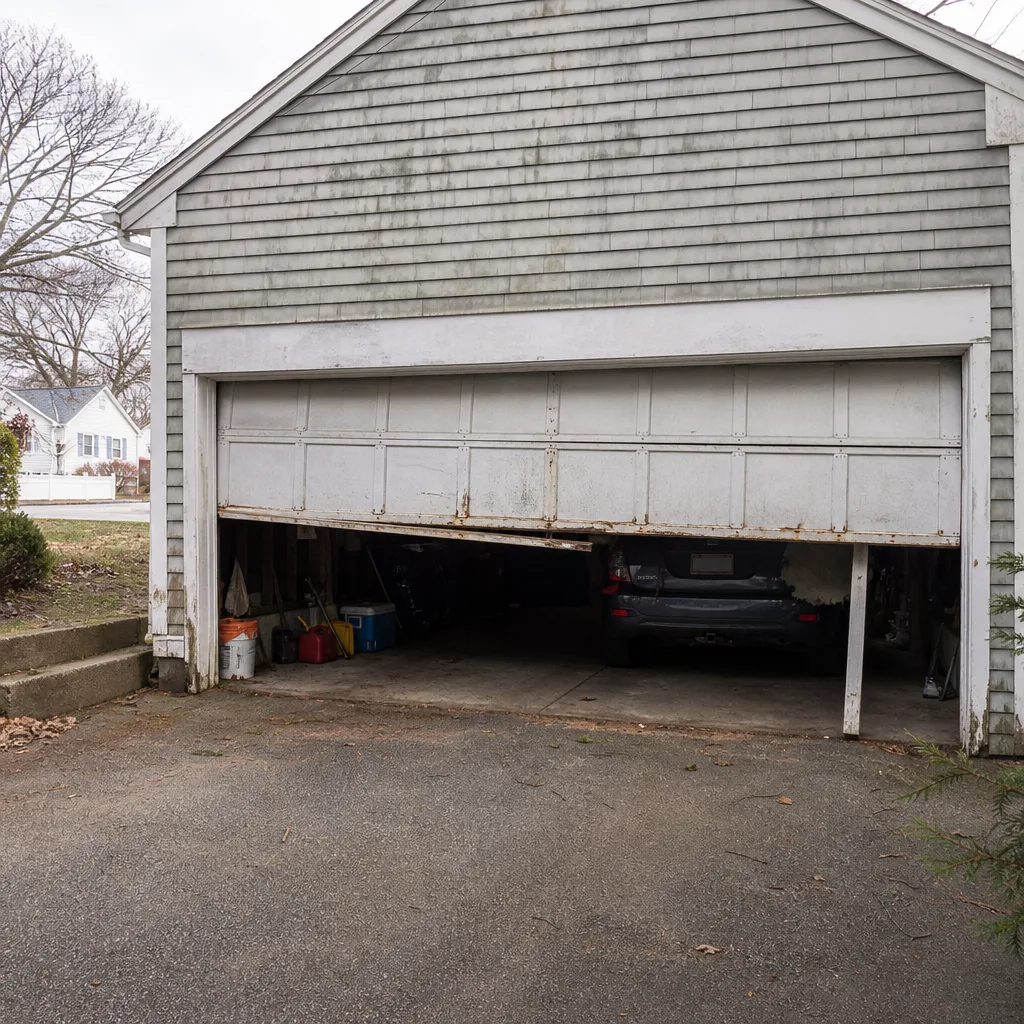 Before
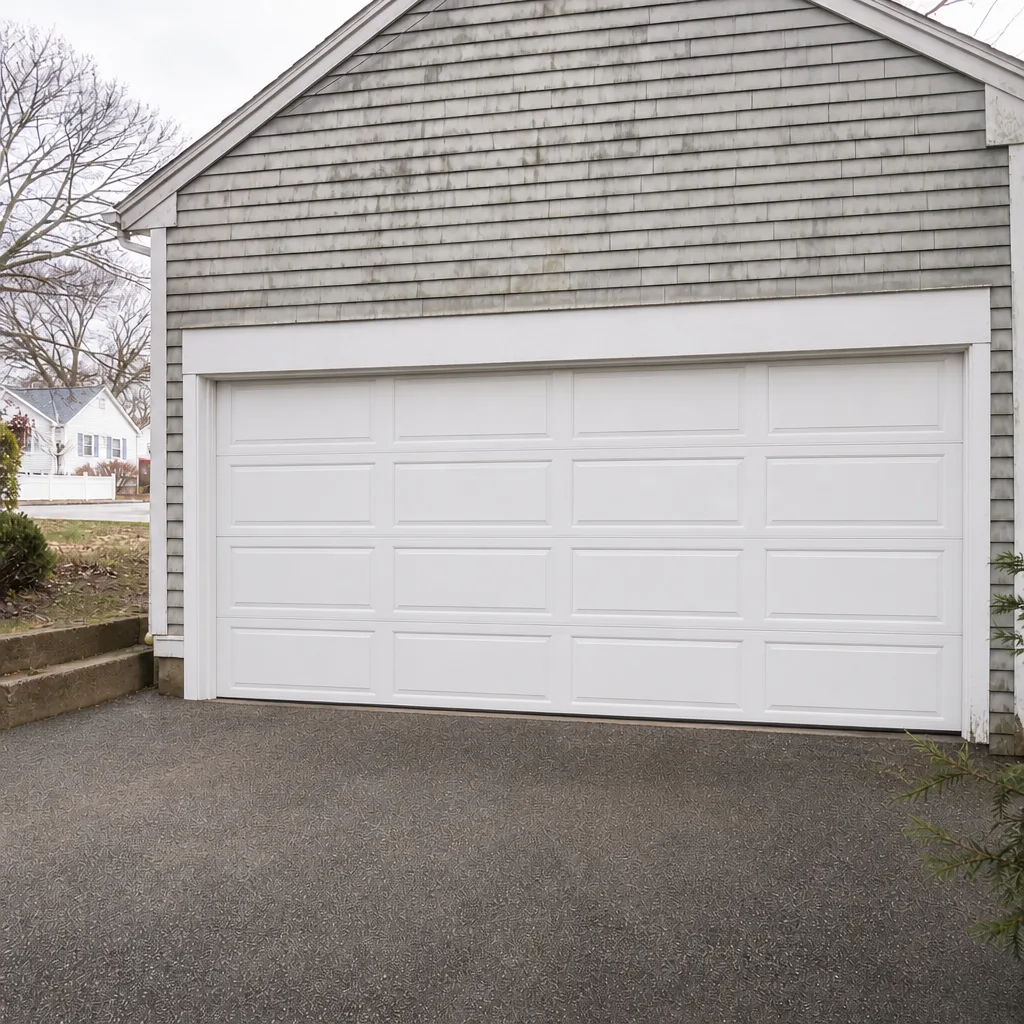 After
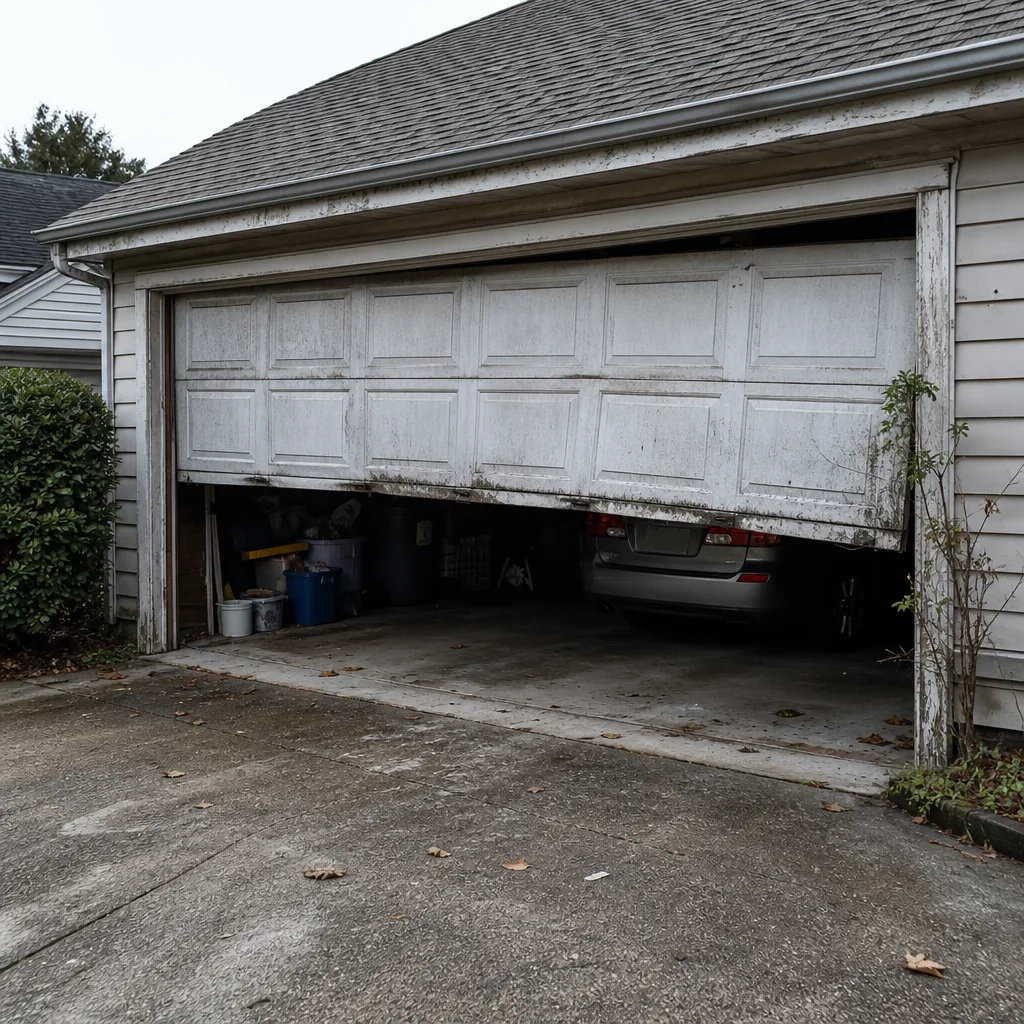 Before
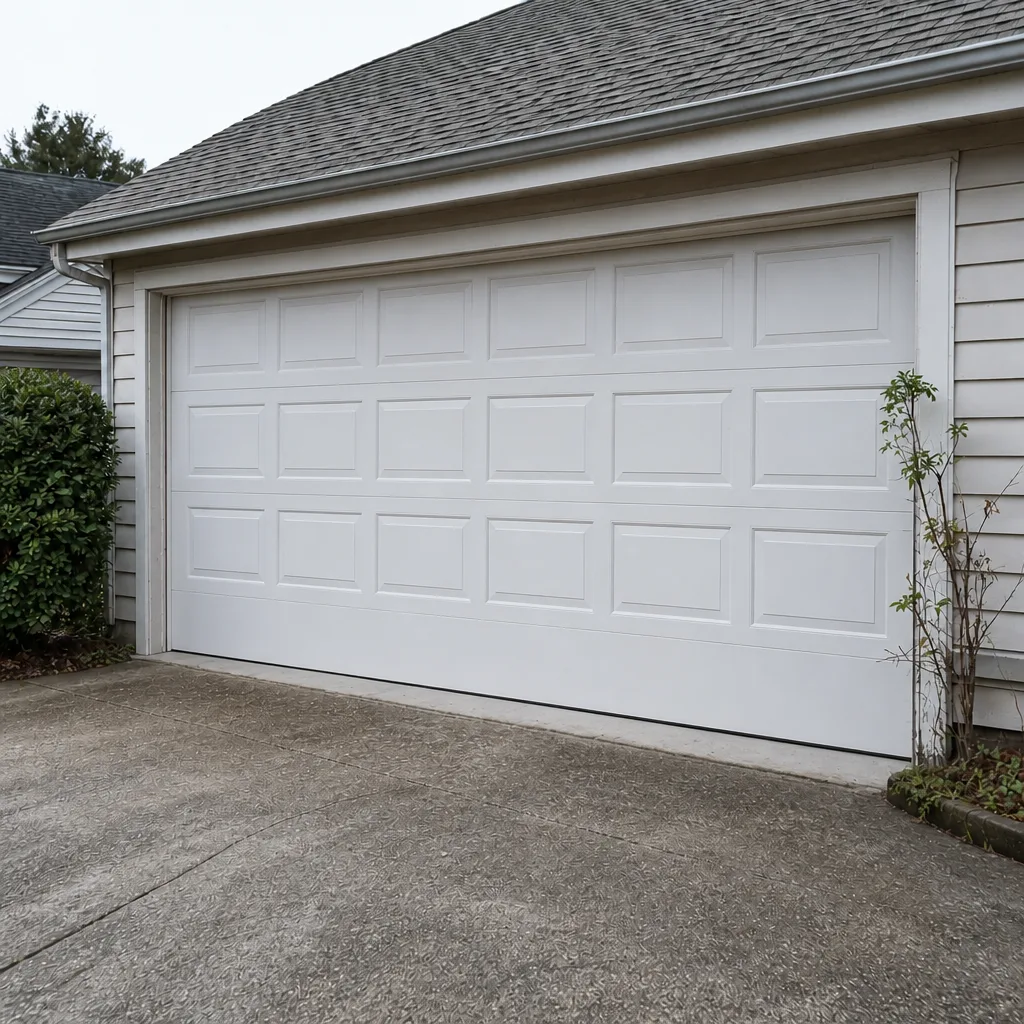 After
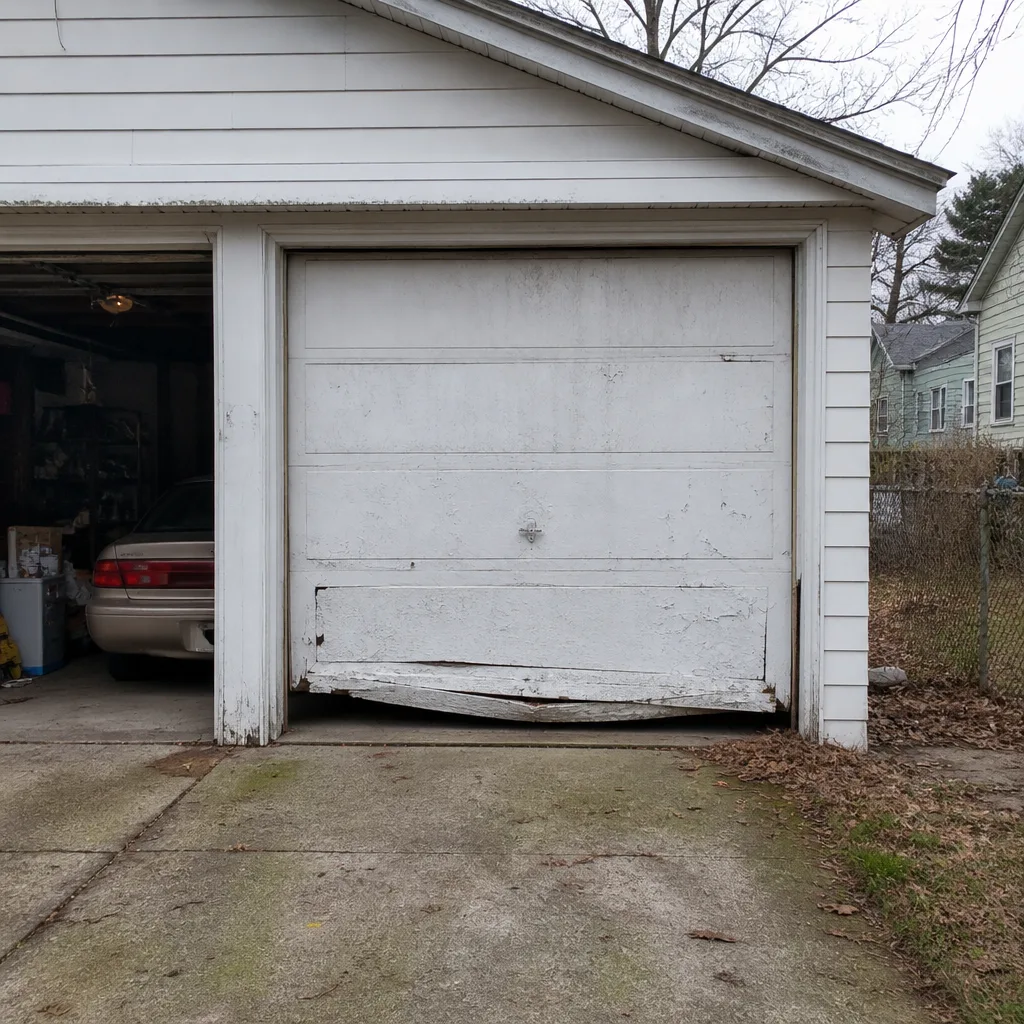 Before
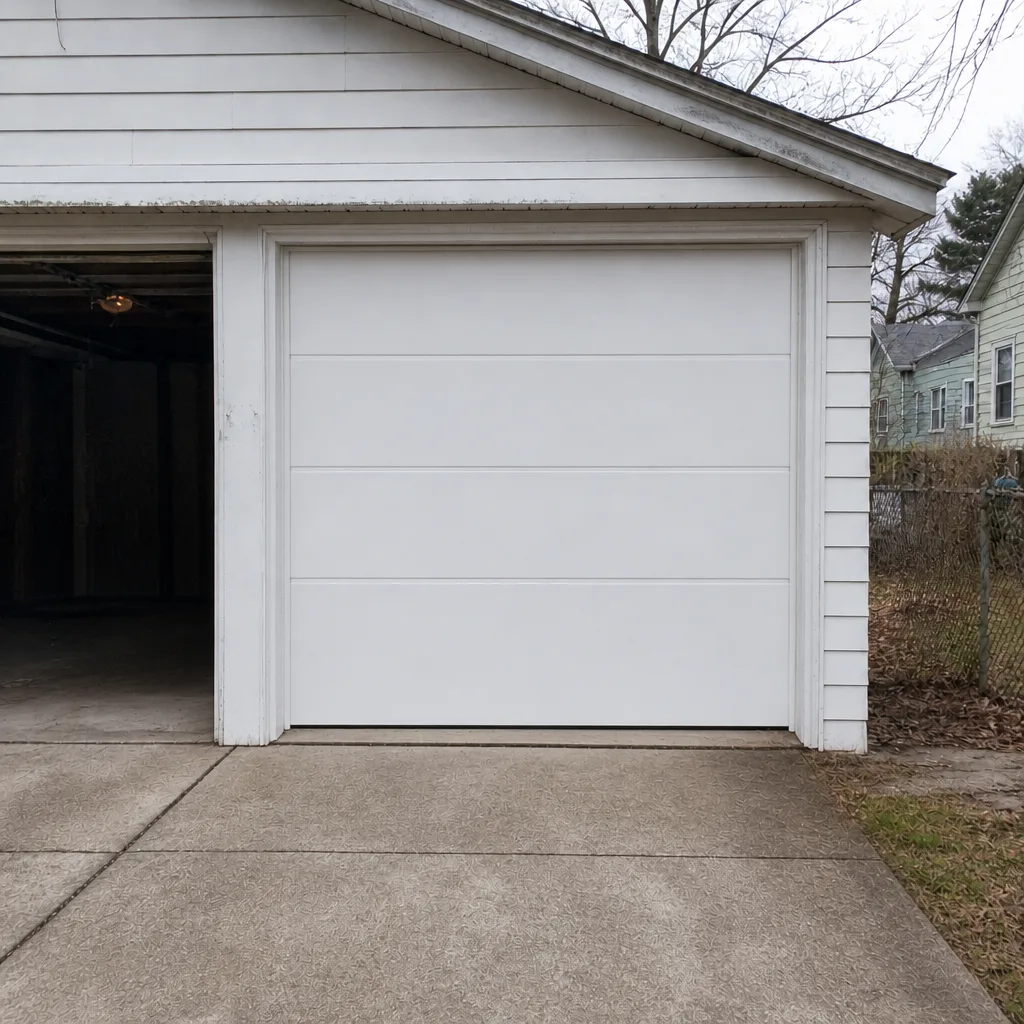 After
When to Call a Professional
Call a professional for anything involving a broken spring, a snapped or frayed cable, a door that drops quickly when the opener disengages, a door that won’t reverse on contact, a nasty grinding sound that starts suddenly, or an intermittent failure that’s lasted more than a couple of days. Those are the cases where a DIY fix is either unsafe or likely to come back. For quieter issues, a broken opener, a worn panel, a hard-to-close door, or a full replacement you’ve been putting off, a professional assessment is still the right move because it tells you whether repair or replacement is the better spend. We offer free estimates in Quincy, and our technicians handle the full scope: from garage door repair on an existing door through complete new installations, opener servicing, spring work, and full panel replacements. Call (855) 337-1177 for a free estimate and we’ll help you read the door before deciding anything.
Frequently Asked Questions
The first sign is almost always a change in sound. A door that has become louder, started grinding, or begun squealing is telling you a part is wearing. Sounds come before the mechanical failure every time. If you hear a new noise, note what it sounds like and when it happens, then call for a professional check before it turns into a door that won’t open.
Grinding usually means a worn roller, dry hinge, or debris in the track. It’s a friction problem, and the most common single cause is a flat-spotted roller. If the grinding is mild and the door still operates smoothly, a technician can typically address it quickly. If it started suddenly, or the door has become hard to open, that’s a reason to stop using it and call for service. Don’t force it.
A broken torsion spring usually announces itself with a loud bang, and the door becomes extremely heavy to lift by hand. Look for a visible gap in the coil above the door. If you see a gap or hear the bang, do not use the door and do not attempt a repair. Springs are under high tension and should only be replaced by a professional. Our technicians handle spring work on a same-day basis when possible. Call (855) 337-1177 for an estimate.
Intermittent winter failures are usually caused by frost or fog on the safety sensor lenses, or by metal contraction making a worn roller or track bind more in the cold. Clean the sensors gently and see if the door closes reliably. If the problem is consistent from January to March and clears with warm weather, the underlying part still needs replacement; the cold weather is just showing you the problem.
A single bent or separated panel can often be replaced without replacing the whole door, and we do that on Clopay, Amarr, Wayne Dalton, and other major brands. Whether it’s worth doing depends on how far the panel has gone. If the panel is structurally bent or has been hit, replacing just the door usually is safer because a new panel has to match the alignment and weight of the existing door. Have a professional check it before you buy panels.
Twice a year is the general rule: once in fall before winter, once in spring after it. The visual check takes five minutes and catches panel separation, worn seals, and frayed cables before they become a failure. In Quincy, add a quick sensor-lens clean at the start of every winter since frost and fog trip doors loose. If you notice anything that looks off in between, call for a professional look.
A door that reverses halfway down has one of three causes: a safety sensor that’s seeing something in the beam, an opener limit switch that needs adjustment, or a worn spring that’s letting the door drop faster than the opener’s force setting tolerates. This is a common garage door opener repair issue on Chamberlain and Genie units. Don’t keep forcing it closed. Call for a check; it’s the kind of problem that’s typically solved in a single visit and is often a sensor or limit adjustment rather than a new opener.
The Bottom Line
Your garage door warns you before it fails. Grinding is a worn part, squealing is a dry one, and a sharp snap or bang means a spring has broken and the door should be shut down until a professional checks it. The visual checks on panels, cables, rollers, the bottom seal, and the opener rail take five minutes each fall and spring, and they catch most failures weeks before they stop the door. Intermittent issues are more urgent, not less, because the eventual failure happens with less warning. Quincy Garage Door Repair Co works on the major brands you’re most likely to have in your home: LiftMaster, Chamberlain, Genie, Clopay, Amarr, Wayne Dalton, Craftsman, and Raynor. If any of these symptoms sound familiar, write down what you’re hearing and when, and let us take it from there. Our technicians have up to 10 years of experience. We offer free estimates.
Call Quincy Garage Door Repair Co at (855) 337-1177 for a free estimate, whether the door is grinding, won’t close, or has started working “sometimes.” One call covers the diagnosis and the plan, and the written estimate is the price you’ll pay.
Written by the team at Quincy Garage Door Repair Co.