Last updated November 22, 2026
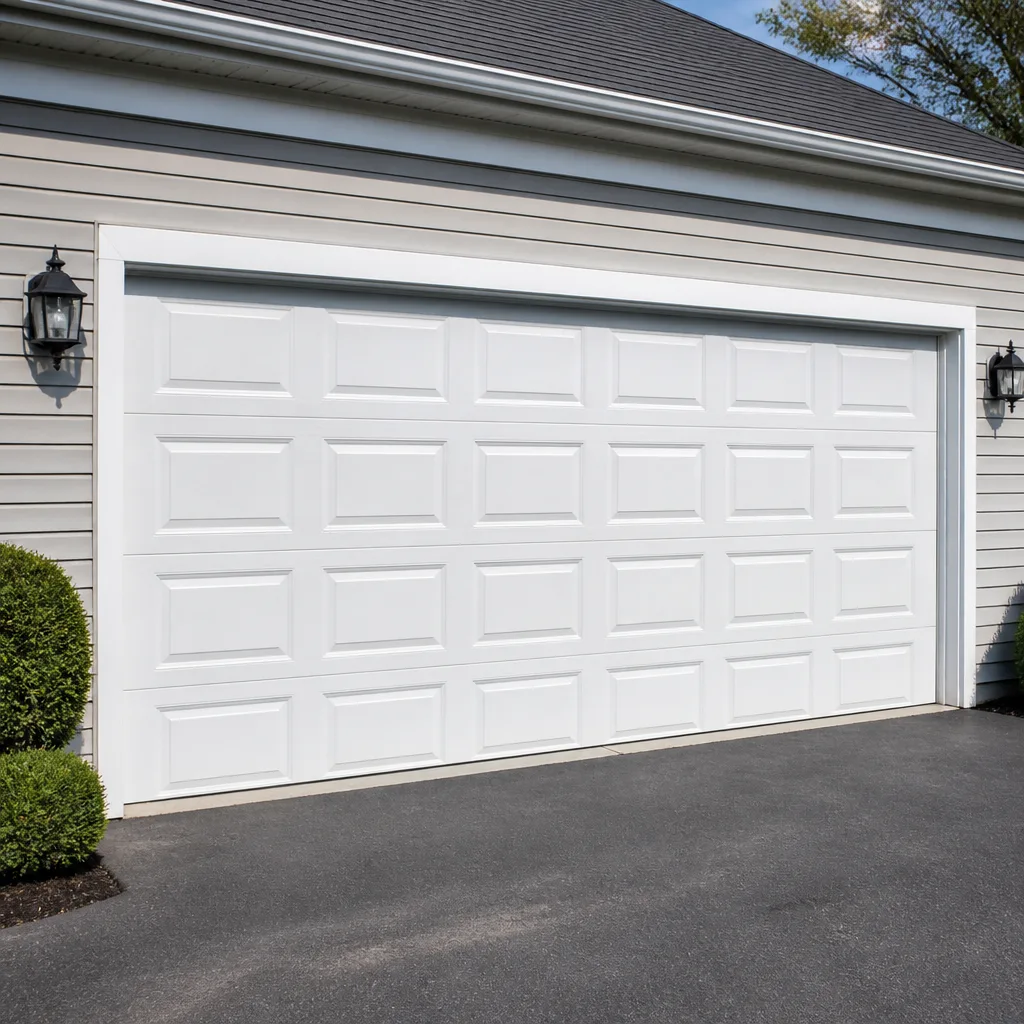 Raised-panel steel
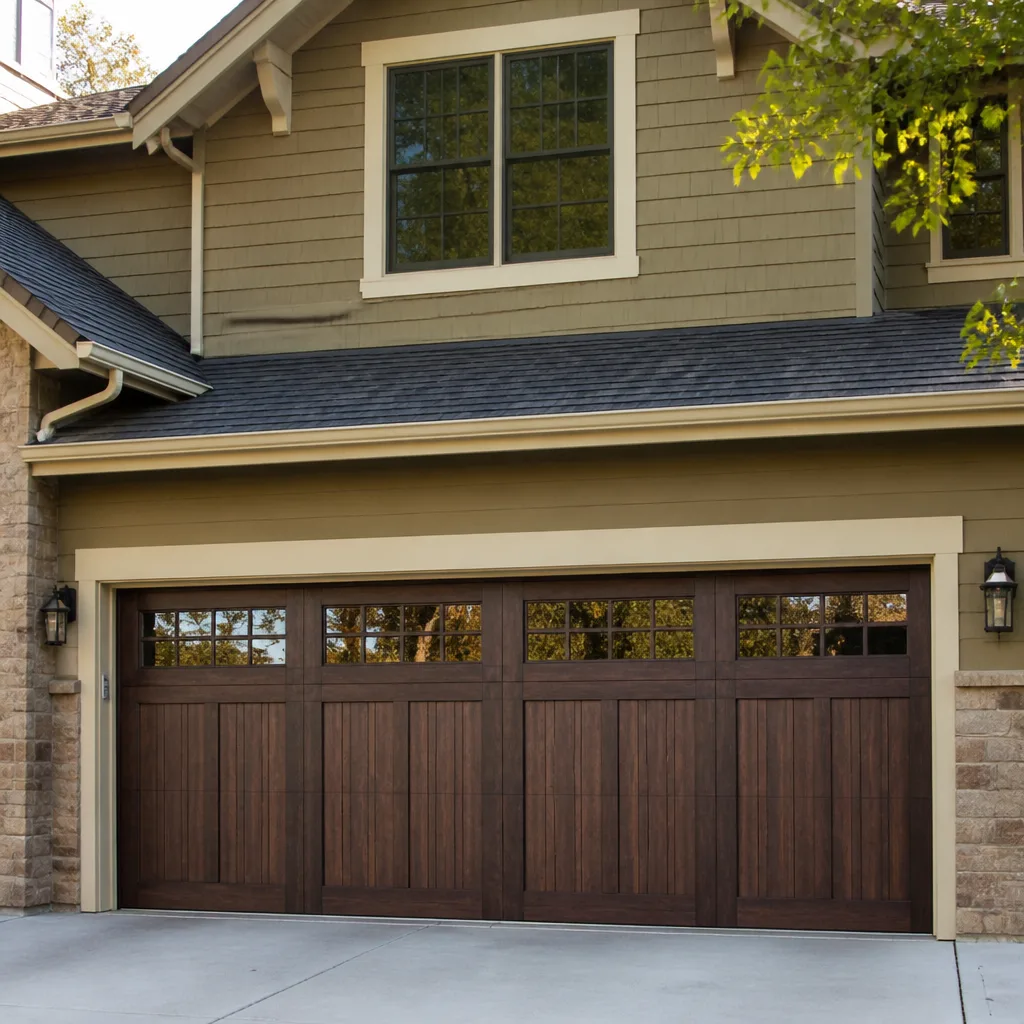
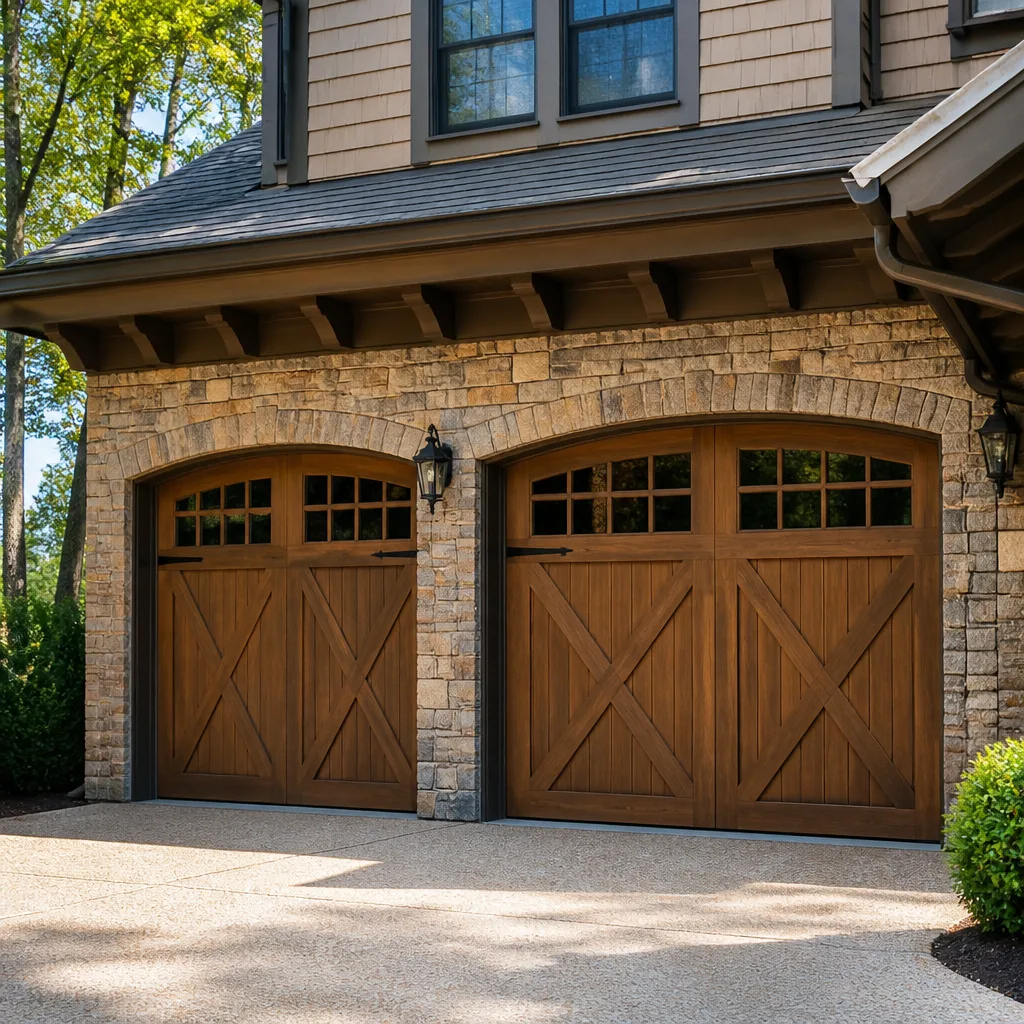 Carriage house
 Modern flush
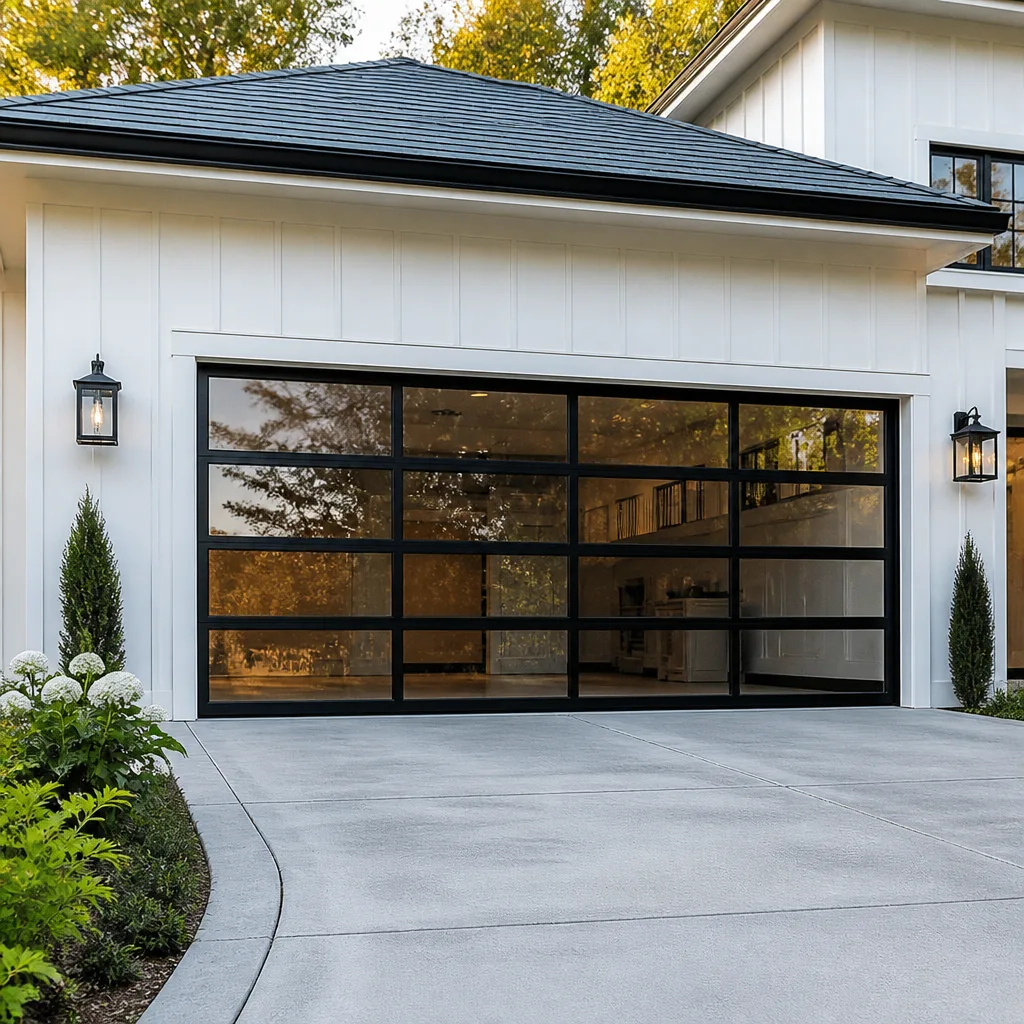 Full-view glass
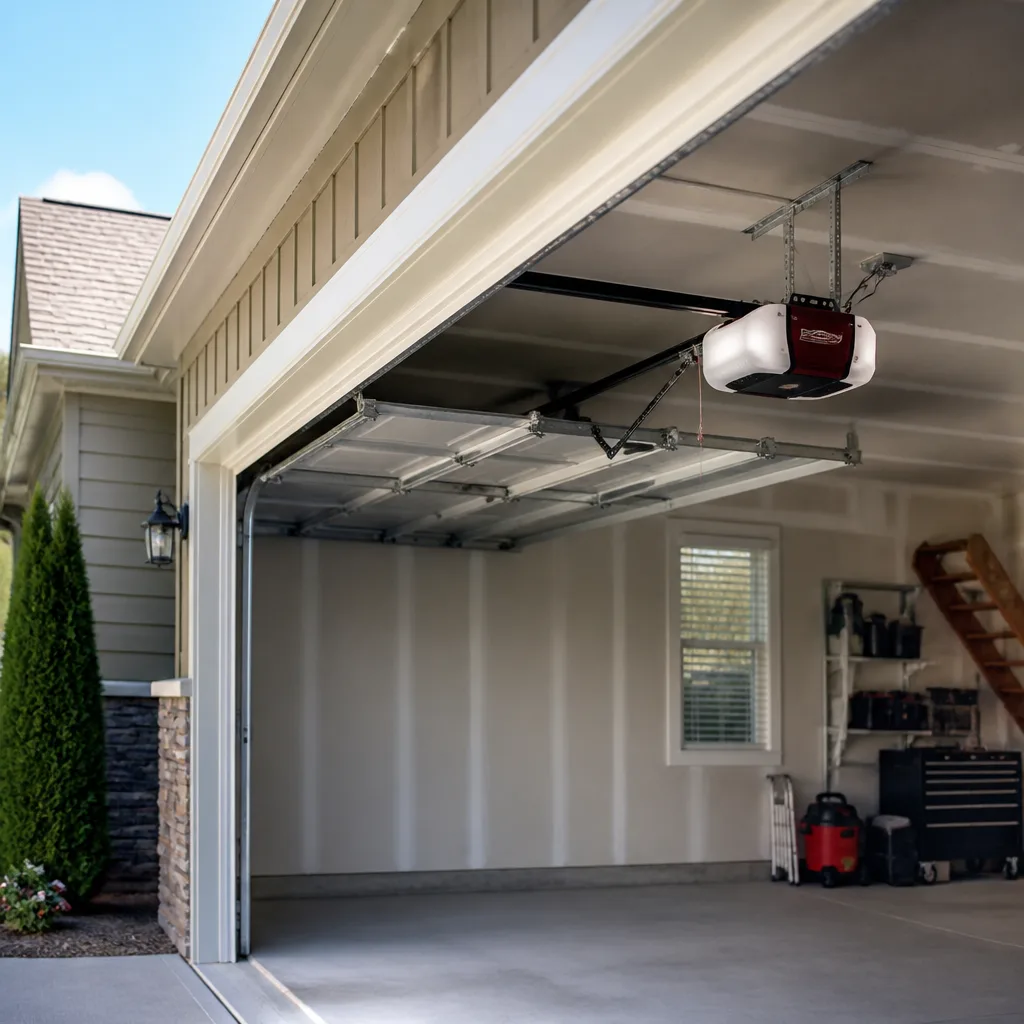 LiftMaster openers
 Chamberlain openers
Full 25-point door and opener safety check with every visit - springs, cables, rollers, tracks, and your LiftMaster or Chamberlain opener included
You get a price before we start. It does not change when the pro arrives.
Get your free estimateDIY vs Professional Garage Door: The Quincy Homeowner’s Decision Guide
Painting your garage door panels is a great weekend project. Replacing the torsion spring above your head is not, and the difference between those two jobs isn’t a matter of how handy you are. It’s a matter of what happens when something goes wrong. We’ve watched this question get muddled by YouTube tutorials that make every repair look manageable, so this guide draws the line clearly: which garage door tasks a Quincy homeowner can safely handle, which ones carry real injury or liability consequences, and how Massachusetts rules treat each scenario. By the end you’ll know exactly where your DIY confidence should stop.
Quick Answer
Most garage door maintenance is safe to do yourself, but spring, cable, and structural header work should always go to a trained professional. In Quincy, the split comes down to stored mechanical energy and load-bearing structure, neither of which forgives a mistake. Everything else, from lubrication to sensor alignment to weatherstripping, is fair game for a careful homeowner with the right tools.
Styles & brands we work with
- Raised-panel steel
- Carriage house
- Modern flush
- Full-view glass
- LiftMaster openers
- Chamberlain openers
Table of Contents
- The Task-by-Task Matrix: What’s Safely DIY vs. What Needs a Pro
- Why Torsion Springs Are the Line You Don’t Cross
- The Real Cost of a DIY Spring Job Gone Wrong
- Massachusetts Liability and Your Homeowner’s Insurance
- When a Professional Install Is Required to Keep Your Warranty
- Tools a Quincy Homeowner Should Own (and the Ones That Signal Stop)
- How Quincy Weather Shapes Garage Door Wear
- How to Choose a Garage Door Pro in Quincy
The Task-by-Task Matrix: What’s Safely DIY vs. What Needs a Pro
The cleanest way to think about garage door work is to sort every job by what it releases when it fails. Lubrication, adjustments, and cosmetic fixes release nothing. Springs and cables release stored energy that can break bones. That’s the dividing line, and it holds whether you live in Wollaston, Montclair, or anywhere else in Quincy.
Here’s how the common tasks sort out:
Safely DIY for a Careful Homeowner
- Lubricating hinges, rollers, and tracks with a garage-door-specific lubricant, not WD-40.
- Aligning or cleaning safety sensors when the door reverses or won’t close.
- Replacing bottom weatherstripping when it’s cracked or letting cold air in.
- Tightening loose hinge and bracket bolts with a socket set.
- Wiping down and repainting panels, which is cosmetic and safe.
- Testing the auto-reverse function by placing a roll of paper towels under the door.
- Replacing remote batteries and re-pairing remotes on most openers.
Requires a Trained Technician
- Torsion and extension spring replacement, always.
- Cable replacement, because cables are under tension and snap back unpredictably.
- Track realignment after impact damage, since a bent track can unseat the door.
- Panel replacement, which affects the door’s balance and structural integrity.
- Header and framing repair, which is structural carpentry, not garage door work.
- Opener replacement and wiring, especially on hardwired LiftMaster and Chamberlain units.
If a task appears on the second list, treat it as off-limits. We’re happy to talk you through which list your problem falls on if you call and describe it. Our garage door repair team handles the professional side of every item on that second list.
Why Torsion Springs Are the Line You Don’t Cross
A torsion spring holds the entire weight of your garage door in a coiled state, and when it’s under tension it stores enough force to launch a winding bar across a garage. Homeowners get hurt doing this every year, and the injuries tend to be serious because the stored energy releases in a fraction of a second with no warning. That’s why spring replacement appears on every reputable “never DIY” list.
Here’s how a professional spring replacement actually works, so you understand what you’d be attempting:
- The door is fully closed and secured with C-clamps on the track so it can’t shift.
- Tension is released slowly using the correct size winding bars, one-quarter turn at a time, on both sides.
- The old spring is measured for wire gauge, inside diameter, and length, since a spring of the wrong size will fail early.
- The new spring is wound to the manufacturer’s turn count, which varies by door weight and drum size.
- Balance is verified by lifting the door by hand to confirm it holds at the halfway point.
- The opener’s force settings are reset so the motor isn’t fighting an unbalanced door.
Every step above has a failure mode that turns a $20 spring into a hospital visit or a dented car. Our garage door spring repair handles this work as a matter of routine, and we’ve seen enough bent winding bars and warped drums to know why it stays in professional hands. If your door won’t lift or one side feels heavier, leave it closed and call. Don’t test it.
The Real Cost of a DIY Spring Job Gone Wrong
The sticker price of a torsion spring makes DIY tempting, but that price ignores what happens when the job goes sideways. A failed DIY spring repair usually costs a homeowner more than the professional repair would have, and the damage isn’t always to the wallet. The most common failure points are:
- Injuries from sudden release. Winding bars slip, springs uncoil, and hands, wrists, and faces take the damage. Emergency room visits for garage door spring injuries are a real category, and the recovery time can run weeks.
- A dropped door. If the spring lets go mid-job, a door can crash onto whatever is below: a car, a bicycle, a pet, or a person.
- Warped or bent panels. A door run out of balance bends the sections, and panel replacement often costs more than a spring.
- Opener damage. A motor that ran repeatedly against a heavy door can strip its drive gear or burn out the logic board. On LiftMaster and Chamberlain openers, that can mean a whole new unit.
- Voided warranties. Most opener and door manufacturers require professional installation or repair to keep the warranty valid. A DIY spring job can void the warranty on equipment you bought new.
We’re not pointing this out to scare you into a call. A spring repair is a routine job that costs what it costs, and once it’s done right you don’t think about it again. The reason we’re specific about the failure modes is that the alternative cost isn’t a number we can quote, because it depends on the injury and the damage. Call (855) 337-1177 for a free estimate and there’s no need to test the odds yourself.
Massachusetts Liability and Your Homeowner’s Insurance
Here’s a part of the DIY decision that most guides skip entirely: what happens after an injury. In Massachusetts, when someone is hurt on your property working on your garage door, the question of who’s responsible depends heavily on who was doing the work. Two different situations, two different outcomes.
If You Do the Work Yourself
Your homeowner’s policy generally covers injuries that happen on your property to guests and family members, subject to your policy terms and deductible. But coverage gets complicated when the person injured is you or a household member doing the work, and it gets murkier when the work was performed incorrectly and caused the injury. A DIY repair that fails and injures a neighbor’s child, or damages your car, falls into territory where your insurer may investigate whether the work was negligent. We can’t tell you what your policy covers – that’s a conversation for your agent – but the general point is worth knowing before you start.
If a Professional Does the Work
When a licensed and insured professional is the one on your ladder, the responsibility for the injury and the workmanship sits with them, not with your homeowner’s policy. That’s the plainest reason to hire out any high-risk repair: the professional carries the liability, and you don’t have to think about your own coverage. Ask any pro you hire to confirm they’re licensed and insured before the work starts, and ask for the certificate rather than taking it on trust.
The line between safe DIY and risky DIY isn’t only about your skill. It’s about who’s exposed if it goes wrong. On the dangerous jobs, the answer should be the trained professional, not you.
When a Professional Install Is Required to Keep Your Warranty
Warranty language is where most DIY plans quietly fall apart. Garage door and opener manufacturers build installation and service requirements into their warranty terms, and those requirements don’t always line up with what feels reasonable to a homeowner.
The short version:
- New door installation warranties from Clopay, Amarr, and Wayne Dalton typically require professional installation to validate the warranty, and some specify that only an authorized installer qualifies.
- Opener warranties from LiftMaster, Chamberlain, Genie, Craftsman, and Raynor usually allow homeowner installation, but service and repair done wrong can void them, especially if a malfunction is traced to incorrect installation or an improperly sized spring.
- Spring warranties are usually short by nature and often require professional installation, so a DIY spring swap rarely preserves the warranty you were counting on.
If your door or opener is still under warranty, read the warranty document before you lift a tool. The other practical point: if a new door is being installed, the warranty is only one reason to use a professional. The door is heavy, the tracks need precise alignment, and the torsion system has to be calibrated to the door’s weight. That’s not a job that improves with repetition by a first-timer. Our Quincy Garage Door Repair Co team installs new doors and openers and handles the warranty paperwork question at the estimate stage, so you know where you stand before work begins.
Tools a Quincy Homeowner Should Own (and the Ones That Signal Stop)
The tool drawer tells you almost everything. If the job needs tools you already have and use regularly, it’s probably a reasonable DIY task. If it needs a tool you’d have to buy or borrow for one job, that’s usually a sign to stop and make the call.
The Reasonable DIY Garage Door Tool Kit
- A socket set with the right sizes for your hinges and brackets.
- A screwdriver set, Phillips and flathead.
- Garage-door-specific lubricant (not general-purpose oil).
- A soft brush and mild cleaner for panels and weatherstripping.
- A step ladder tall enough to reach the opener head, not the torsion bar.
- A flashlight or headlamp for checking track alignment.
- Replacement weatherstripping and hardware, which most home stores carry.
- A roll of paper towels for the auto-reverse test.
The Tools That Mean Stop
- Winding bars. If you own a pair, you’re planning spring work. We’d ask you to reconsider.
- C-clamps for the track. Securing the door is the first step of a spring or cable job.
- A come-along or cable puller. This signals cable work under tension.
- Torque wrenches for opener brackets. Not always wrong, but usually means a job beyond basic adjustment.
- An angle grinder for track or header work. That’s structural or fabrication work, not maintenance.
One more consideration specific to Quincy: many homes here have garages that were added or modified over the decades, so the door hardware may not match the original opening. That makes a “simple” replacement less simple than it looks, especially in older neighborhoods around Squantum and Merrymount. A trained technician can spot a mismatch in five minutes. Our technicians have up to 10 years of experience with exactly that kind of problem.
How Quincy Weather Shapes Garage Door Wear
Garage doors in Quincy deal with a real freeze-and-thaw cycle, and that has a direct effect on what’s worth doing yourself and what should go to a pro. Cold, damp winters work on the door’s moving parts year after year, and the effects are visible before they become dangerous.
What we see most often around Quincy:
- Weatherstripping fails first. Bottom seals crack and flatten in cold weather, then let in water and cold air. This is the single best DIY job on the door and it pays for itself quickly.
- Rollers stiffen. Cold weather turns bearings sluggish, and a door that used to glide starts to grind. Lubrication is a homeowner task; roller replacement on a worn door is usually a pro task because the door has to be supported.
- Springs weaken gradually. A spring doesn’t usually snap without warning. It loses tension over time, the door gets heavier, and the opener works harder. If your door closed with a bang last winter and now feels heavier, that’s the spring telling you it’s near the end. That’s a call, not a DIY project.
- Track alignment shifts. Ground movement and temperature swings knock tracks out of plumb. A small knock can be adjusted, but a bent track on a heavy door needs a technician.
A quick visual check each fall goes a long way: run your hand along the weatherstripping, watch for rust on the springs, and listen to the door’s last few inches of travel. If it shudders or the opener strains, that’s the signal. If the visual check turns up spring or cable problems, our garage door opener repair team can diagnose whether the opener or the door hardware is the culprit. Don’t assume the motor is at fault when the door is the thing that’s out of balance.
How to Choose a Garage Door Pro in Quincy
Once you’ve decided a job crosses the line into professional territory, the next question is who to call. The right answer isn’t the fastest ad on the page. It’s a specialist who works on your brand, gives you a written price before work starts, and can handle the full scope from emergency repair to full replacement.
Here’s what to look for:
- Brand familiarity. Ask whether they service your opener brand, especially if it’s LiftMaster, Chamberlain, Genie, or Craftsman. A specialist who knows the brand’s logic boards and force settings won’t guess.
- Spring and opener experience. These are the two most demanding categories of garage door work. Ask directly whether the company does both.
- A written estimate before work. The price should be quoted and agreed before anyone lifts a tool, and the written estimate sets the final number. If a quote comes after the work, that’s a red flag.
- Licensed and insured. Confirm the professional you hire is licensed and insured as the state requires. Ask for documentation.
- Emergency availability. If a door fails and your home is exposed or the car is trapped, you need a company that treats emergency service as a real offering. Ask.
- Full scope. Can they repair the current door, service the opener, and install a new one when the time comes? One provider for the whole arc saves you from switching companies mid-project.
Quincy Garage Door Repair Co works on all eight of the brands above, handles spring repair, opener service, emergency calls, and new installations. Our technicians have up to 10 years of experience, and we’ll tell you plainly whether a repair is the right call or replacement makes more sense. Free estimates, and the price is on paper before work begins.
Common Mistakes to Avoid
- Trying a DIY spring replacement to save money. The failure modes are injury, door damage, and a voided warranty, and none of those are cheaper than the professional job.
- Lubricating with the wrong product. WD-40 and general-purpose oils attract grit and can gum up rollers. Use a garage-door-specific lubricant.
- Fixing the symptom, not the imbalance. If the door strains and the opener is blamed, the spring or the drum is usually the real problem. Replacing the opener won’t fix an unbalanced door.
- Ignoring a bent track. A track that’s out of plumb wears through rollers quickly. In an older Quincy garage, that’s the most common cause of a door that suddenly shifts.
- Skipping the weather seal before winter. A cracked bottom seal lets water in and rots the door’s bottom section, which is expensive to replace compared with a seal.
- Not reading the warranty first. If the door or opener is under Clopay, Amarr, or Chamberlain warranty, a DIY repair can void it. Check before you start.
- Testing a door after a spring snap. Leave it closed until a technician sees it. Opening it by hand can bring the door down on you or the car.
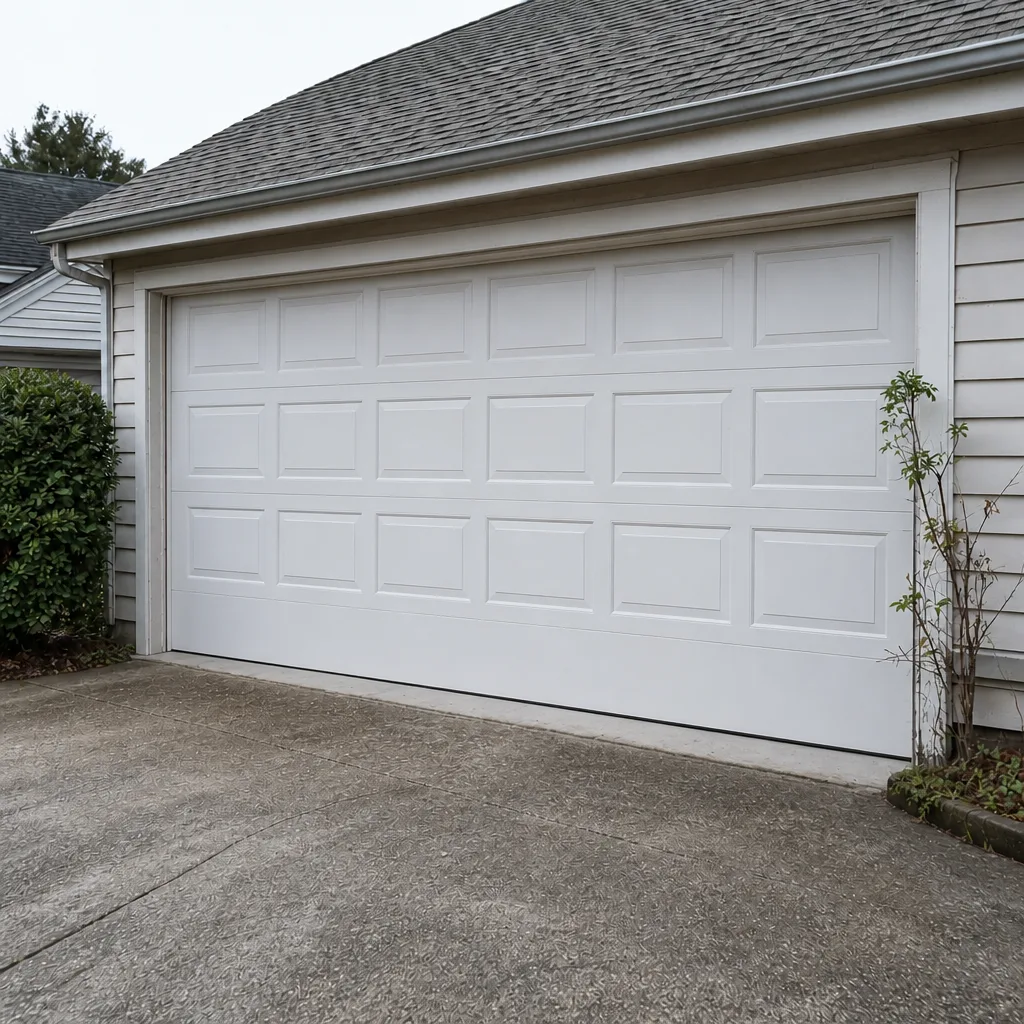
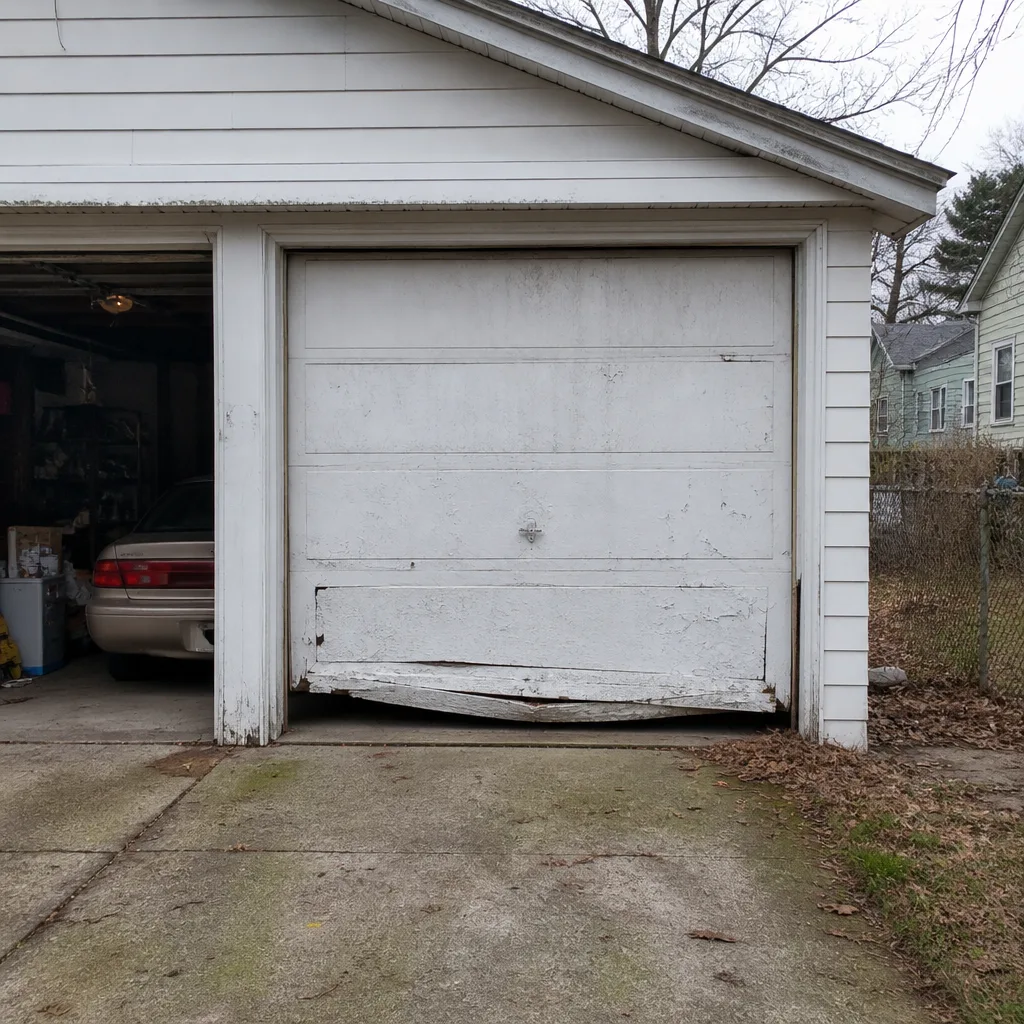
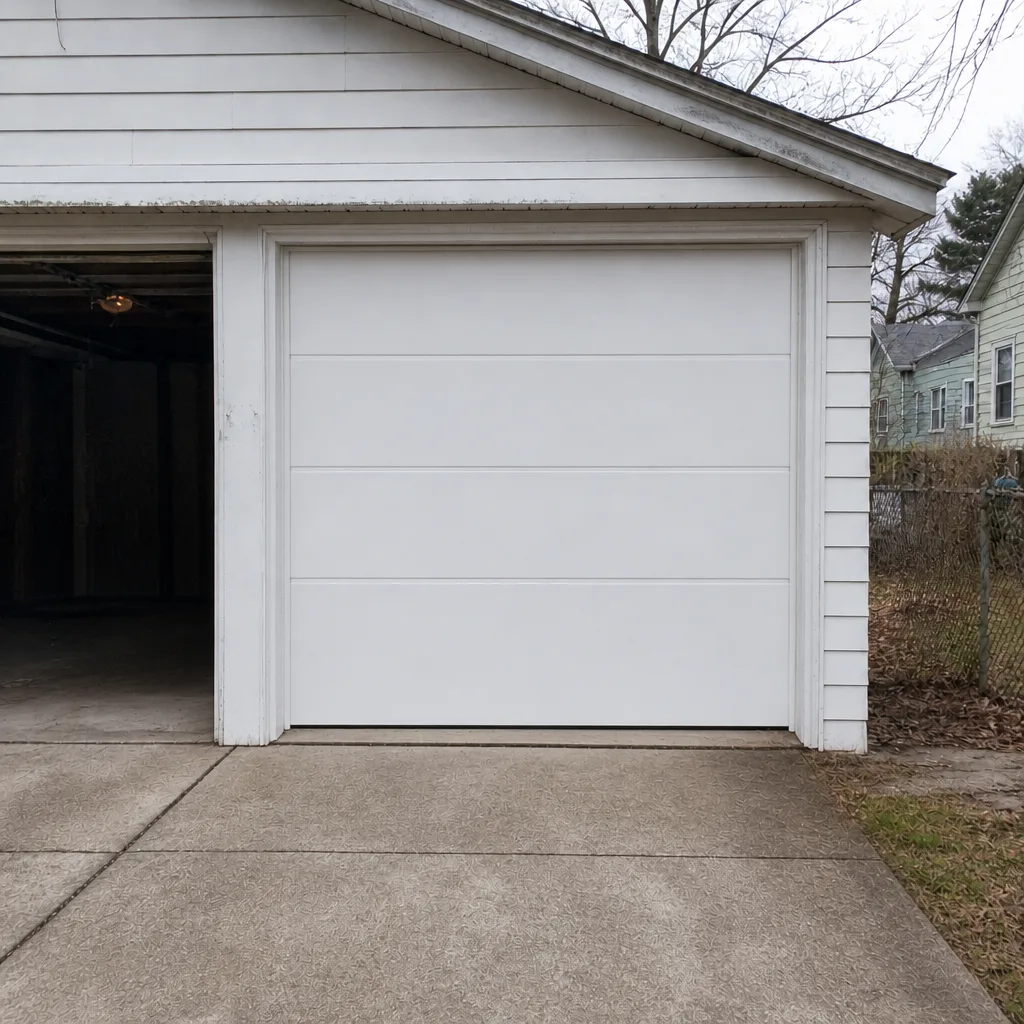
See the difference
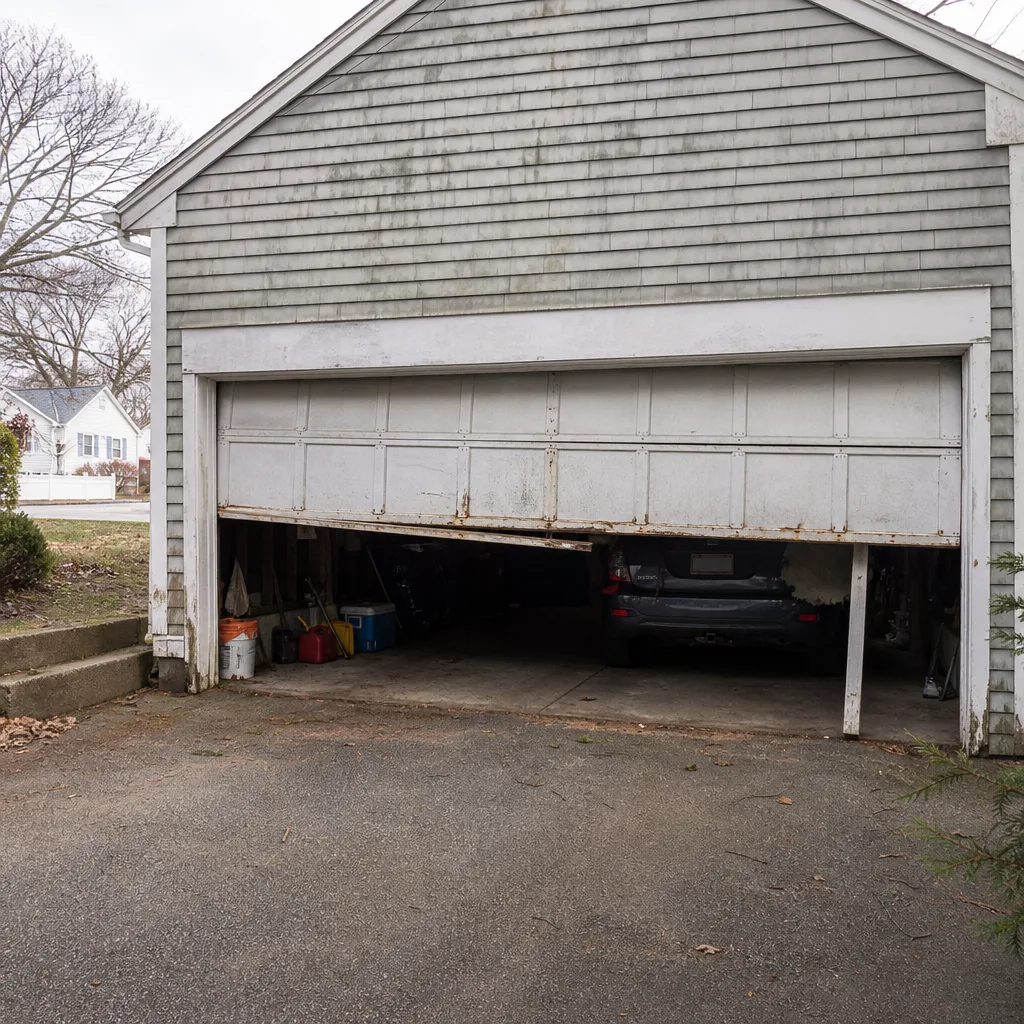 Before
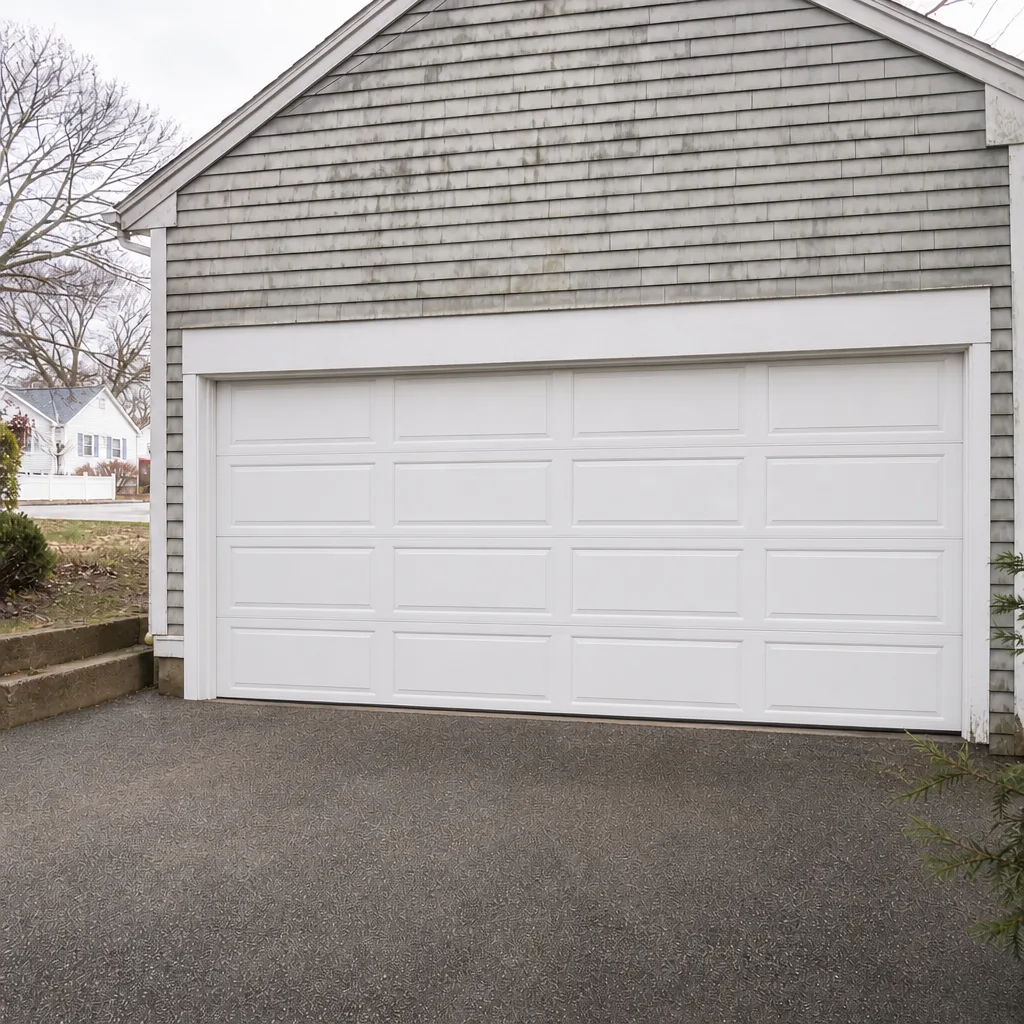 After
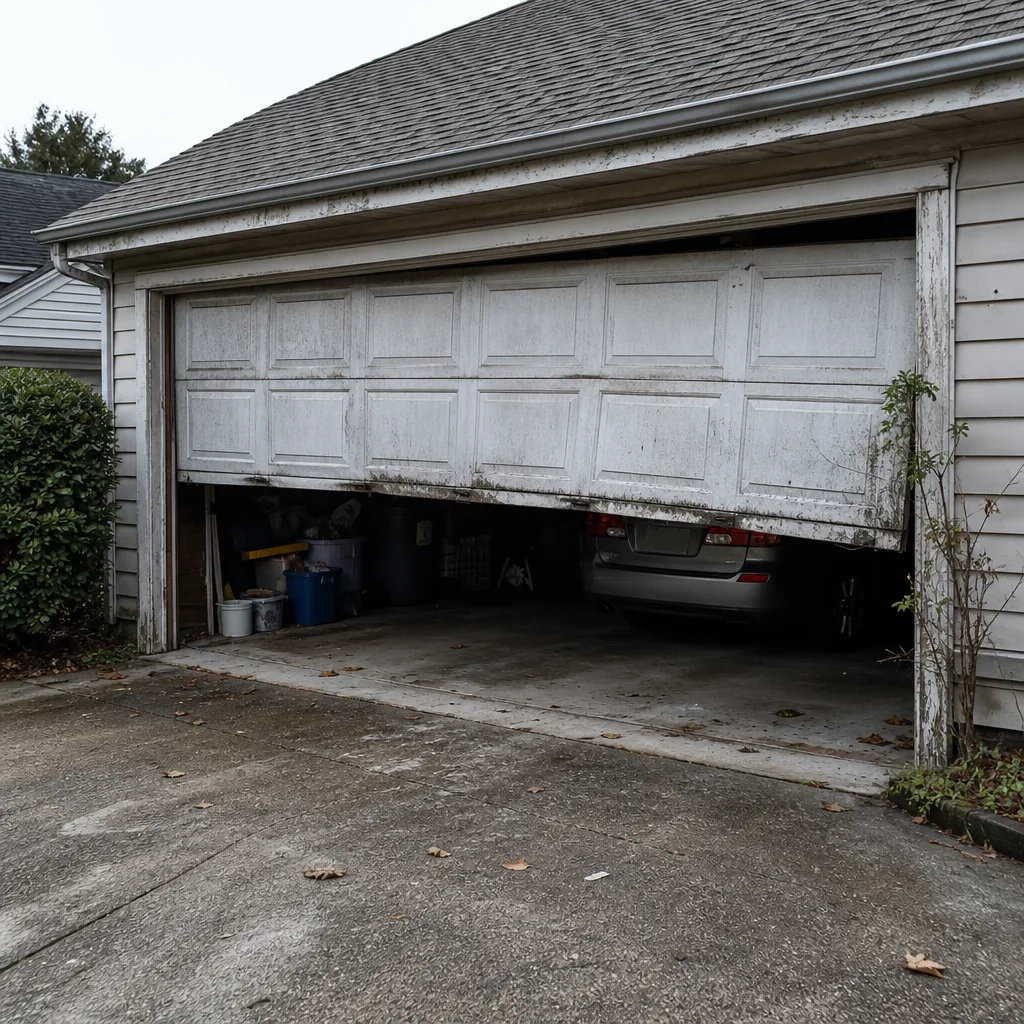 Before
 After
 Before
 After
When to Call a Professional
Call a professional when the job involves a spring, a cable, a bent track, structural framing, or any electrical work inside the opener. Call immediately if the door is stuck open, hanging, or the spring has visibly snapped, and keep people and vehicles away from it until a technician arrives. For everything else, the judgment call is yours, and we’re glad to talk it through. Quincy Garage Door Repair Co offers free estimates in Quincy. Call (855) 337-1177 and we’ll give you a plain answer on whether your job is a DIY task or one for us.
Frequently Asked Questions
No. Torsion and extension springs store enough energy to cause serious injury when they release, and spring work is the one garage door task that should always go to a trained technician. It’s not about being handy; it’s about the risk to your hands, face, and the door. Call (855) 337-1177 for a free estimate – we do spring work as a matter of routine.
Lubrication, sensor alignment, bottom weatherstripping replacement, bolt tightening, and cosmetic panel painting are all reasonable DIY tasks. They release no stored energy and don’t affect the door’s balance or structure. Anything touching springs, cables, tracks, or the header is a job for a technician.
It can, yes. Clopay, Amarr, and Wayne Dalton doors typically require professional installation to keep the warranty, and LiftMaster, Chamberlain, Genie, and Craftsman openers often void service coverage if a failure traces back to incorrect repair. Read your warranty document before starting work, or ask us at the estimate stage and we’ll help you check. Call (855) 337-1177 for a free quote.
It depends on your policy and the circumstances, and that’s a question for your insurance agent, not for us. In general, injuries to guests on your property are covered subject to your policy terms, while injuries to yourself and issues tied to faulty DIY work are more complicated. Hiring a licensed and insured professional shifts that risk to the contractor’s liability.
Sort the symptom by what moves it. If the door reverses unexpectedly, a sensor is usually the cause and that’s a quick DIY fix. If the door feels heavy, won’t stay up, or one side lags, that’s spring or cable territory and it needs a technician. Describe it to us and we’ll tell you which list it’s on.
Yes, emergency garage door repair is a core part of what we do. If a door is stuck open, hanging, or poses a safety or security risk, call and we’ll get it sorted. Call (855) 337-1177 and we’ll give you a free estimate on the repair.
The Bottom Line
The DIY line on a garage door isn’t about skill, it’s about stored energy and liability. Weatherstripping, lubrication, sensor alignment, and minor hardware tightening are fair game for a careful homeowner, and they’ll keep your door running longer in Quincy’s cold seasons. Springs, cables, tracks, header work, and opener wiring belong to a trained technician, because the downside of getting them wrong is an injury or a bill, and both of those are worse than the repair. If you’re unsure which side of the line your job sits on, ask before you start. The call is free, and we’d rather talk you out of a risky DIY job than have you find out the hard way. Call (855) 337-1177 for a free estimate and a straight answer.
Written by the team at Quincy Garage Door Repair Co.