Last updated November 22, 2026
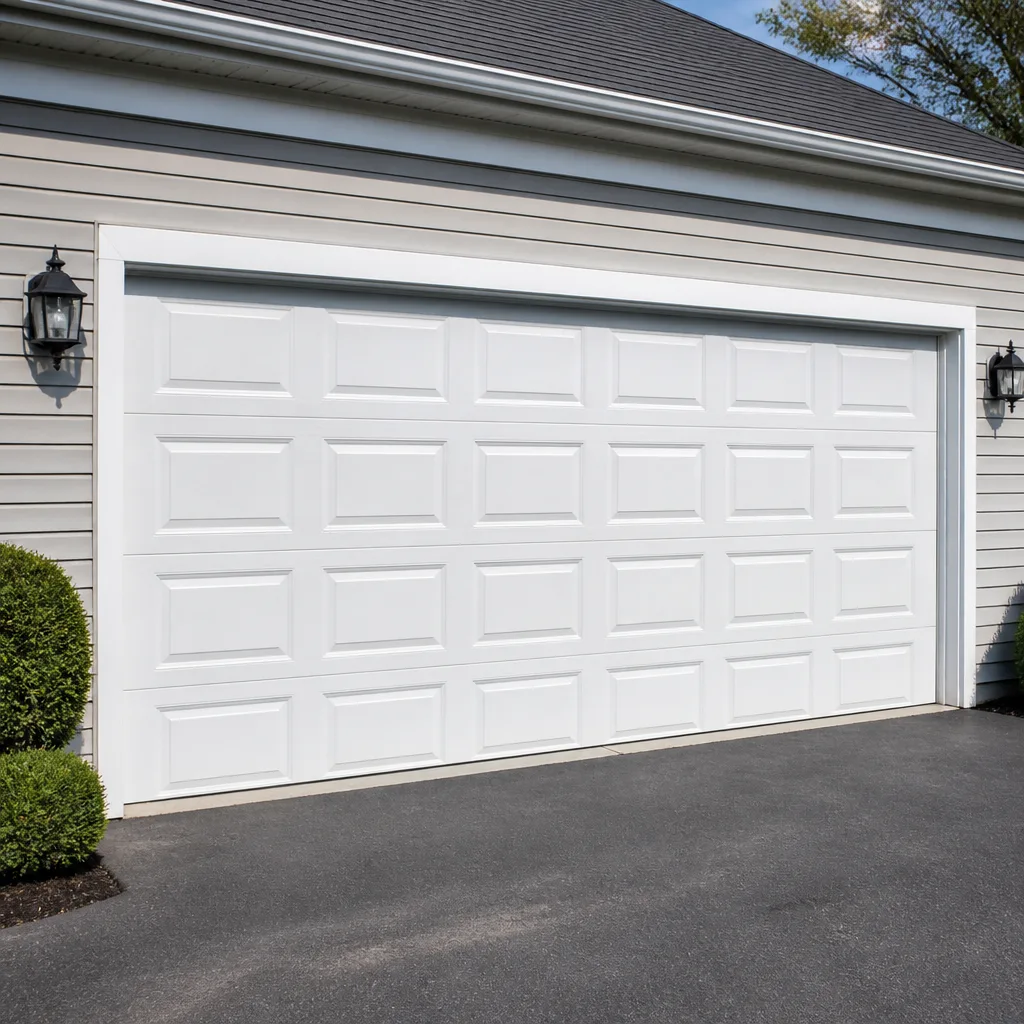 Raised-panel steel
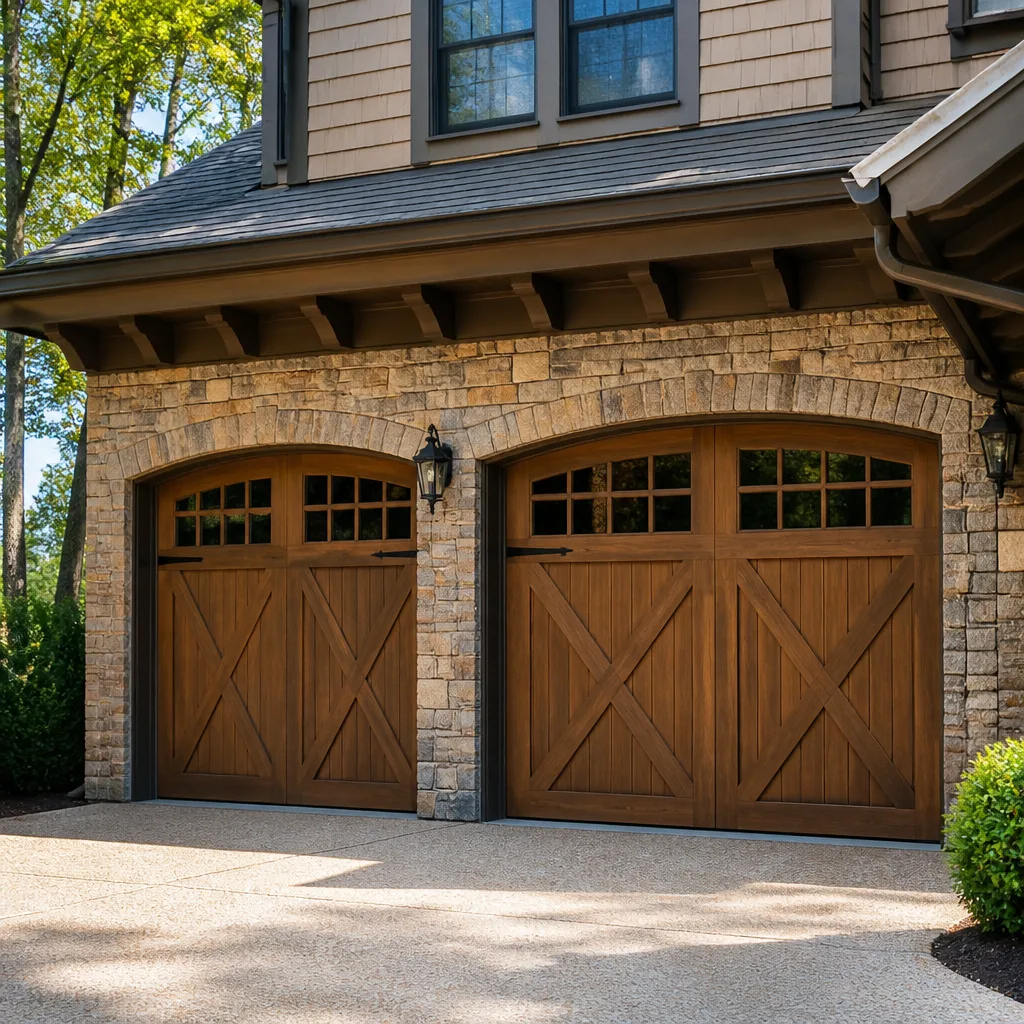 Carriage house
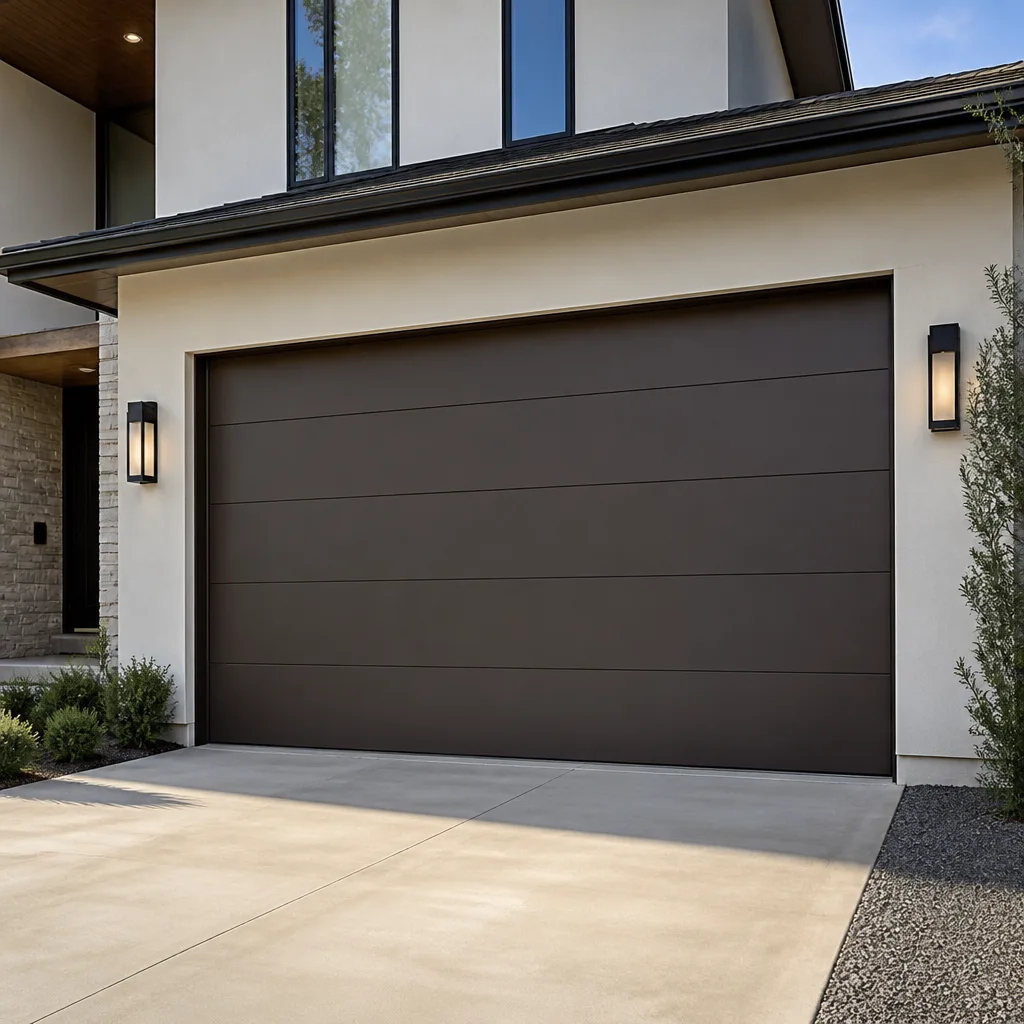 Modern flush
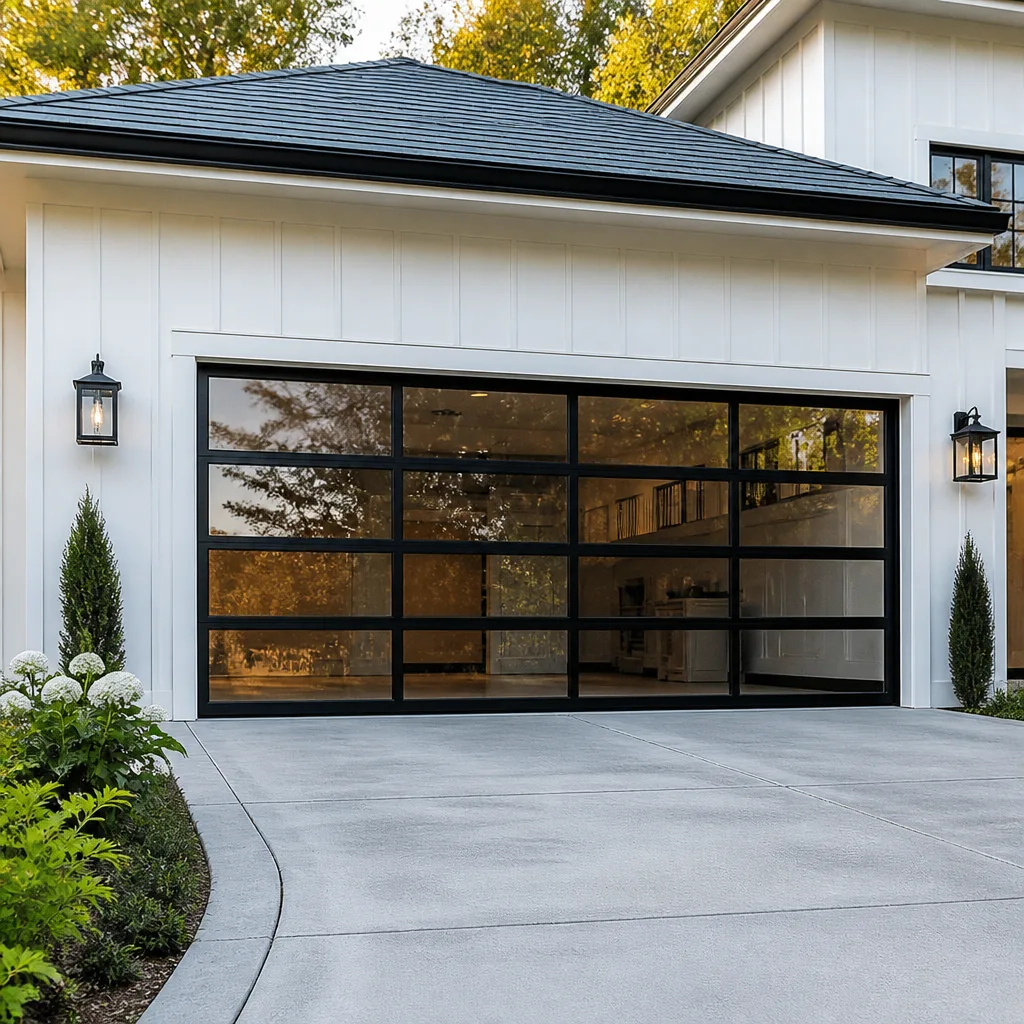 Full-view glass
 LiftMaster openers
 Chamberlain openers
Full 25-point door and opener safety check with every visit - springs, cables, rollers, tracks, and your LiftMaster or Chamberlain opener included
You get a price before we start. It does not change when the pro arrives.
Get your free estimateSeasonal Garage Door Care for Quincy: Year-Round Homeowner’s Guide
Most homeowners here treat garage door maintenance as a spring chore. That’s backwards. October is the month that decides whether your door opens smoothly in January, because everything you skip before the first hard freeze shows up later as a door that groans, binds, or refuses to close all the way. Quincy‘s four seasons stress a garage door in four completely different ways, and the homeowners who avoid expensive repairs are the ones who do the right task at the right time instead of squeezing one tune-up into a random weekend. This guide walks you through a month-by-month calendar for a Quincy garage door, from the pre-freeze checklist in autumn to the humidity watch in summer.
Quick Answer
Seasonal garage door care in Quincy means doing three things: pre-winter preparation in October (seals, lubricant, spring check), a damage assessment in early spring to catch rust and warping after the freeze-thaw cycle, and humidity management in summer for wood and composite doors. A short task each month beats one big overhaul once a year, and it’s the difference between a quiet door and a costly repair.
Styles & brands we work with
- Raised-panel steel
- Carriage house
- Modern flush
- Full-view glass
- LiftMaster openers
- Chamberlain openers
Table of Contents
- Why October Is the Most Important Month
- November: Locking It In Before the Freeze
- Winter: When a Door Freezes to the Floor
- March and April: Post-Winter Damage Assessment
- Summer: Heat, Humidity, and Wooden Doors
- Your Month-by-Month Task Calendar
- Common Mistakes to Avoid
- When to Call a Professional
Why October Is the Most Important Month
October in Quincy is a countdown. The nights drop fast, the first frost usually arrives before most people have winterized anything, and once the ground freezes, your garage slab and door hardware are locked into a cold state until spring. Every maintenance task you do in October is cheap. Every one you skip becomes a February problem.
Three tasks matter most this month:
- Inspect the bottom weather seal. Run your hand along the rubber strip at the base of the door. Look for cracks, flattening, or pieces missing. A worn seal lets cold air and moisture under the door, and moisture is what freezes the door to the floor later.
- Swap to cold-weather lubricant. The light oil that worked fine in July gets thick and tacky when temperatures drop. Cold-weather lubricant keeps hinges, rollers, and the torsion hardware moving freely in the cold instead of dragging.
- Check spring tension before the freeze cycles start. This is a visual check only – look for gaps in the coil, uneven tension, or a door that feels noticeably heavier than it did a few weeks ago. Never adjust springs yourself; that’s the single most dangerous part of a garage door to touch.
A door that grinds in October will howl in January. The pre-freeze window is also the best time to book a whole-system inspection with a technician who knows the door – our technicians have up to 10 years of experience diagnosing the difference between a worn roller and a spring on its way out. If your door is already misbehaving, it’s worth arranging garage door repair before the cold settles in.
November: Locking It In Before the Freeze
November is your backup month. If October slipped past you, get these tasks done before the first hard freeze. Once the temperature stays below freezing overnight, the door system is much less forgiving.
Task list for November:
- Test the auto-reverse safety feature. Place a small object under the door and close it. If the door doesn’t reverse on contact, stop using it and call for service – this is a safety issue, not a convenience one.
- Check the photo-eye alignment. The sensors on either side of the opening should have clean lenses and a steady beam. Snowbanks and fallen leaves are the two most common things that knock them out of line in Quincy.
- Clear gutters above the garage. Overflowing gutters send water down the garage wall and under the door threshold, which is one of the leading causes of winter ice buildup at the base of the door.
- Look at the opener’s sensitivity setting. If the door has been slow to reverse or sluggish on the up-travel, note it now. Recalibrating an opener is straightforward for a technician but should not be a guess.
If your opener is a LiftMaster, Chamberlain, Genie, or Craftsman unit, it’s worth knowing that brand-specific recalibration matters. Each of these systems handles sensitivity settings differently, and getting it wrong can cause the safety reverse to fail. Our garage door opener repair work covers those brands specifically, so the diagnostic won’t be a guess.
Winter: When a Door Freezes to the Floor
If you’ve ever walked out on a cold morning and found the garage door refusing to lift, it’s not always the opener. A door that’s frozen to the floor will resist movement, and the opener will strain against the ice. The fix is not to force it.
What to do when a door freezes:
- Don’t cycle the opener repeatedly. Pushing the button over and over stresses the opener gear and can strip it. If it doesn’t lift on the first try, stop.
- Try a warm-water trick. A pitcher of warm (not boiling) water poured along the seal edge can loosen the ice bonding the door to the floor. This is a temporary fix for a bad seal, not a permanent solution.
- Wait for daytime thaw if you can. Middle-of-the-day temperatures in a Quincy winter often climb above freezing, enough to free the door on its own if you give it a few hours.
- Replace the seal in spring. A frozen door means the bottom seal has lost its grip and let water in. Plan to replace it once the ground thaws.
One more winter-specific issue: salt-treated driveways. Rock salt and de-icing treatments splash up onto the bottom seal and the door’s lower panels, and that salt is hard on the rubber. It dry-cracks the seal faster than normal wear, which is why a Quincy door’s bottom seal often needs attention more often than the rest of the door. Rinse the lower edge of the door after the last salting of the season to slow the degradation.
If your door fails completely in the middle of a cold snap, emergency service is available and it’s not an upsell – a door that won’t close is a security issue and a safety one. Call and we can get it looked at.
March and April: Post-Winter Damage Assessment
Spring is when the winter’s damage surfaces. The freeze-thaw cycle in Quincy moves moisture into places it doesn’t belong, and as temperatures warm, everything that was cracked, rusted, or warped reveals itself.
Your spring assessment checklist:
- Cable rust. Look at the cables running along the sides of the door. Surface rust on cables is fine; rust that has turned the cable rough or frayed is not. A frayed cable is a safety hazard and should be replaced before continued use.
- Panel warping from ice-dam water intrusion. If water got behind the panels during winter, wood and composite doors can warp slightly. Check for panels that don’t sit flush or rub against the track.
- Opener sensitivity recalibration. Winter cold and spring warmth change the door’s weight and travel speed. An opener that was tuned in October may be too sensitive now, or not sensitive enough. Recheck the auto-reverse.
- Track alignment. Cold weather moves the ground, and your garage slab is not immune. If the door binds partway up, the track may have shifted slightly. Visible gaps or bent track can usually be adjusted.
Spring is also the smart time to schedule a spring inspection, because if the torsion springs survived winter, they’ve done it under strain. A short check now prevents an unexpected mid-summer failure. Our team handles garage door spring repair as a routine job – spring replacement is one of the most safety-critical things on a garage door, and we take it seriously.
Summer: Heat, Humidity, and Wooden Doors
Summer seems like the easy season for a garage door. It isn’t. Heat and humidity work on doors made of wood or composite, which are common in older Quincy homes, and the effects are cumulative.
Here’s what happens. Wooden doors expand in humidity and contract in dry heat. A wood door picks up moisture in July and August, the panels swell slightly, and the door starts binding or rubbing in the tracks. If the humidity drops sharply after a storm, the wood contracts and screws can loosen. Over several seasons, this cycling causes hinge loosening, panel separation, and noise.
Summer tasks for wood and composite doors:
- Check the finish. If the paint or stain has cracked or peeled, moisture is getting into the wood. Repaint or reseal before the fall, not after.
- Look at the hinges. A wooden door’s hinges are the most likely thing to loosen in the summer humidity. Check that the screws are snug and the hinge plates are flush.
- Listen for new noises. A door that squeaked a little in winter and squeals in July means the rollers and hinges need lubrication. Summer is a good time to reapply a dry lubricant to the tracks and moving parts.
- Mind the draft seal on hot days. A loose seal in summer can mean the same seal is compressed and failing by winter. Replace any seal that doesn’t sit flush against the floor.
If your door is wood or a wood-composite style and you’re noticing warping, a panel inspection is worthwhile. It’s also a reasonable time to think about whether a new door makes more sense than repair – replacing a warped wooden door with a modern insulated steel door from a brand like Clopay or Amarr is a common upgrade for older Quincy homes.
Your Month-by-Month Task Calendar
Here is the whole year laid out. This is the calendar the guide is built around, and it’s the part worth saving.
- October: Inspect bottom seal, swap to cold-weather lubricant, check spring tension visually, clear gutters above the garage.
- November: Test auto-reverse, check photo-eye alignment, note opener sensitivity issues, flush the door’s lower edge after any salting.
- December – February: Watch for freeze-up at the floor. Don’t force a stuck door. Monitor the opener for strain. Rinse the lower seal on mild days after salt exposure.
- March: Inspect cables for rust, check panel alignment, recalibrate opener sensitivity.
- April: Inspect track alignment, replace any seal that cracked over winter, book a spring check if the springs are past their service life.
- May: Inspect wood/composite door finish, tighten hinge screws, lubricate rollers and tracks.
- June – August: Check for warping from humidity, monitor for new noises, repaint or reseal wood doors before fall.
- September: Pre-season review – any issues flagged in summer, address them now. Get the door ready for October’s checklist.
If you can only remember five months, remember October, November, March, May, and September. Those are the transition points where the door is most vulnerable.
Common Mistakes to Avoid
- Waiting until the door breaks to think about it. A garage door is a mechanical system with a predictable wear curve. The repair is always cheaper if it’s caught before it fails.
- Adjusting the torsion springs yourself. Springs are under high tension, and a mistake can cause serious injury or damage. This is a job for a trained technician – not a homeowner, and not a general handyman. Our spring repair work is one of the specific mechanical jobs we handle, and we’d rather do it than have you risk it.
- Using summer-weight oil in winter. Light lubricant thickens in cold weather and causes the door to drag. Cold-weather lubricant is the right call from October through March.
- Ignoring the bottom seal after a freeze. A seal that froze to the floor and got pulled loose is already compromised. Replace it in spring before it lets water in again.
- Skipping the auto-reverse test. It’s a safety device, not a feature. If it’s not working, the door should be serviced before you use it again.
- Letting a wooden door’s finish go. Paint and stain are the moisture barrier. Once they crack, the door absorbs water in summer and warps in winter. Repaint on schedule, not when the door already looks bad.
- Assuming generic service will cover your brand. LiftMaster, Chamberlain, Genie, Clopay, Amarr, Wayne Dalton, Craftsman, and Raynor all have different opener and door mechanisms. Brand familiarity matters. Our technicians are factory-familiar with all eight.
See the difference
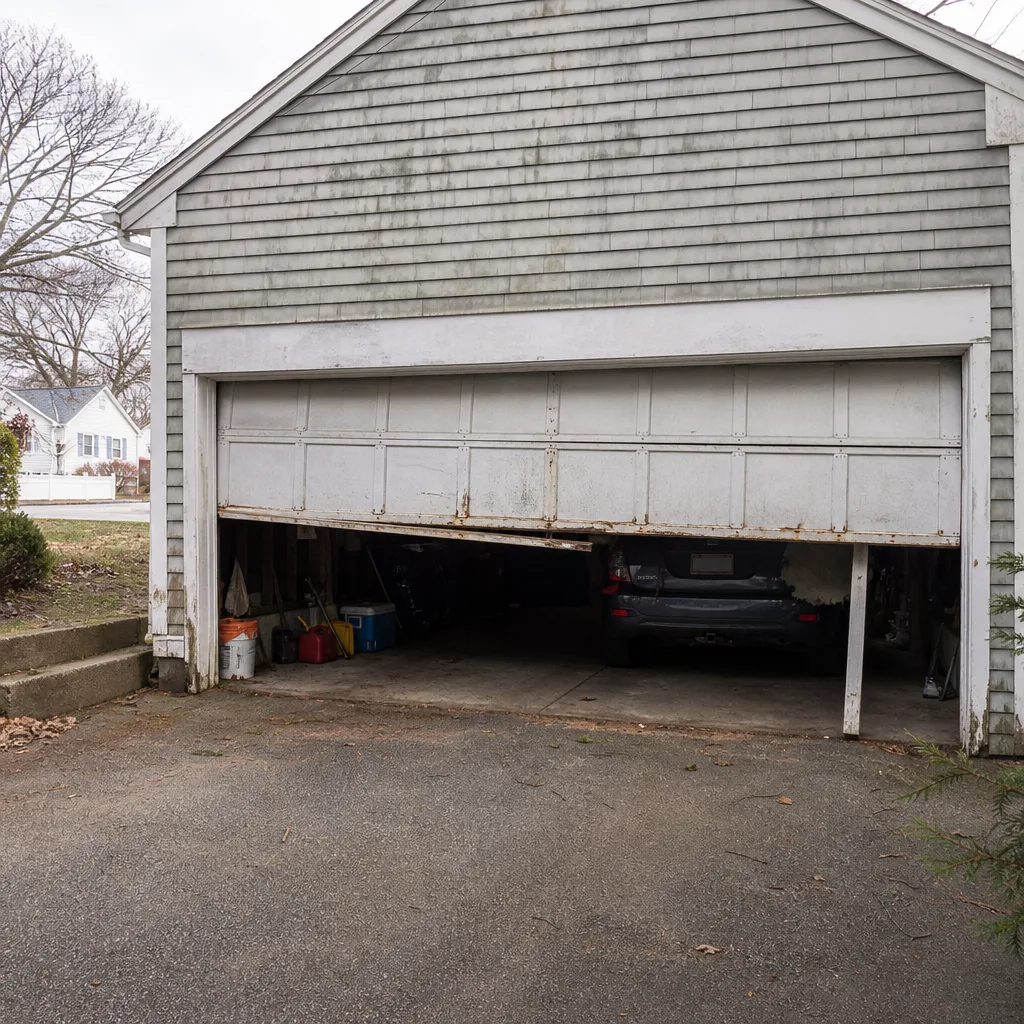 Before
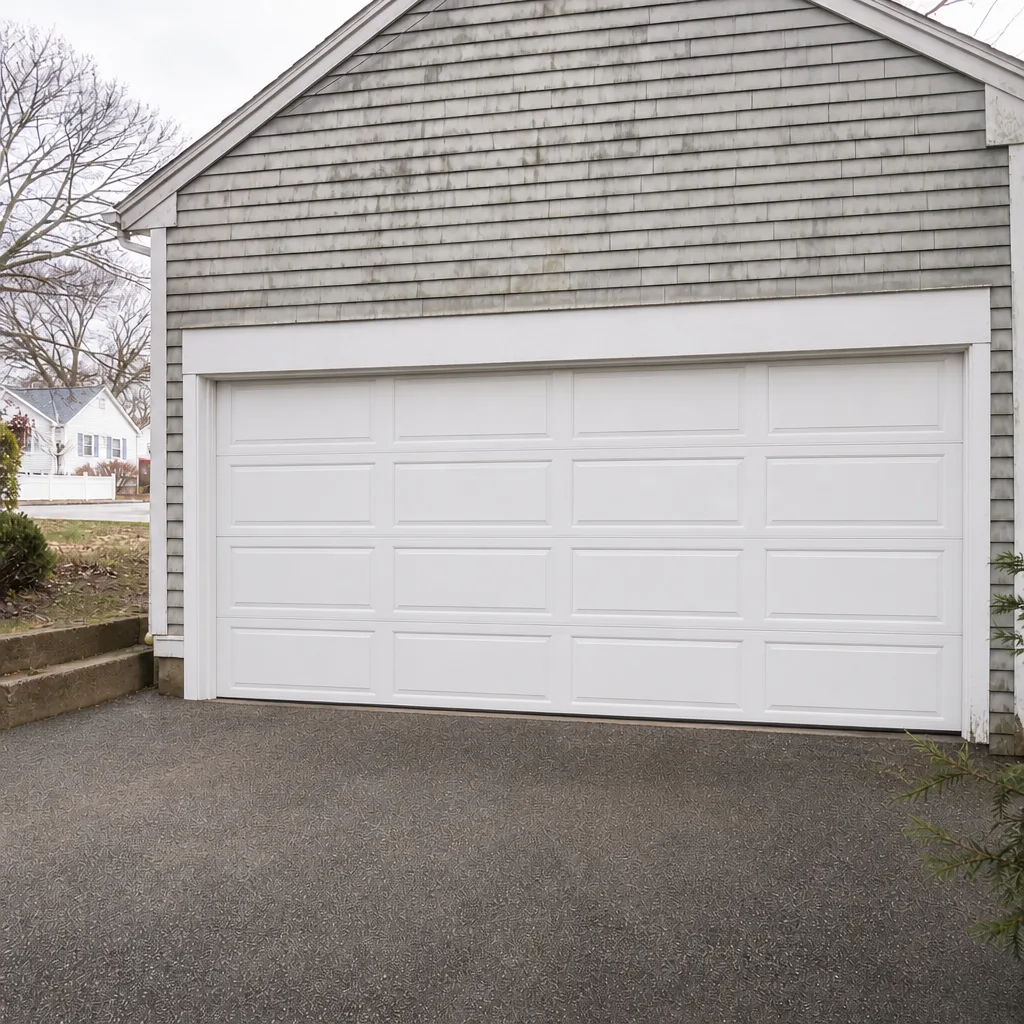 After
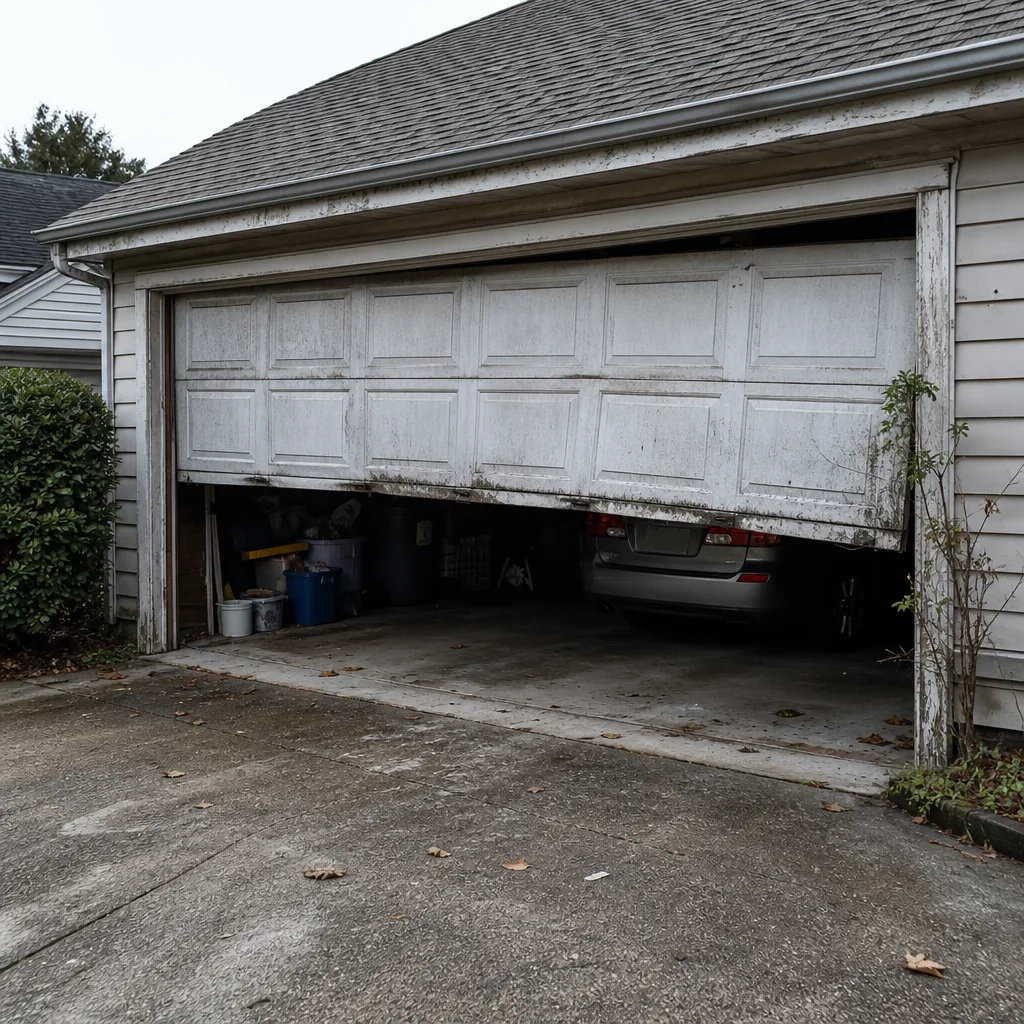 Before
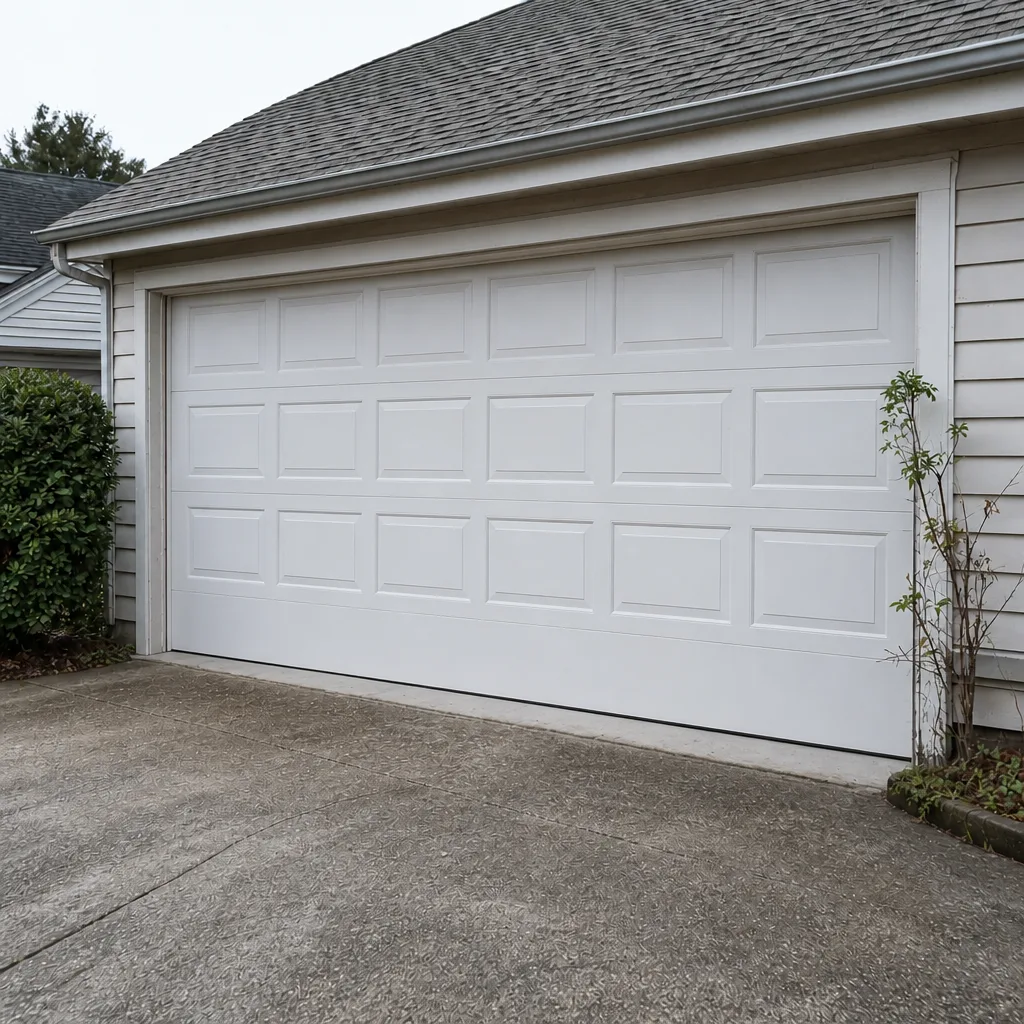 After
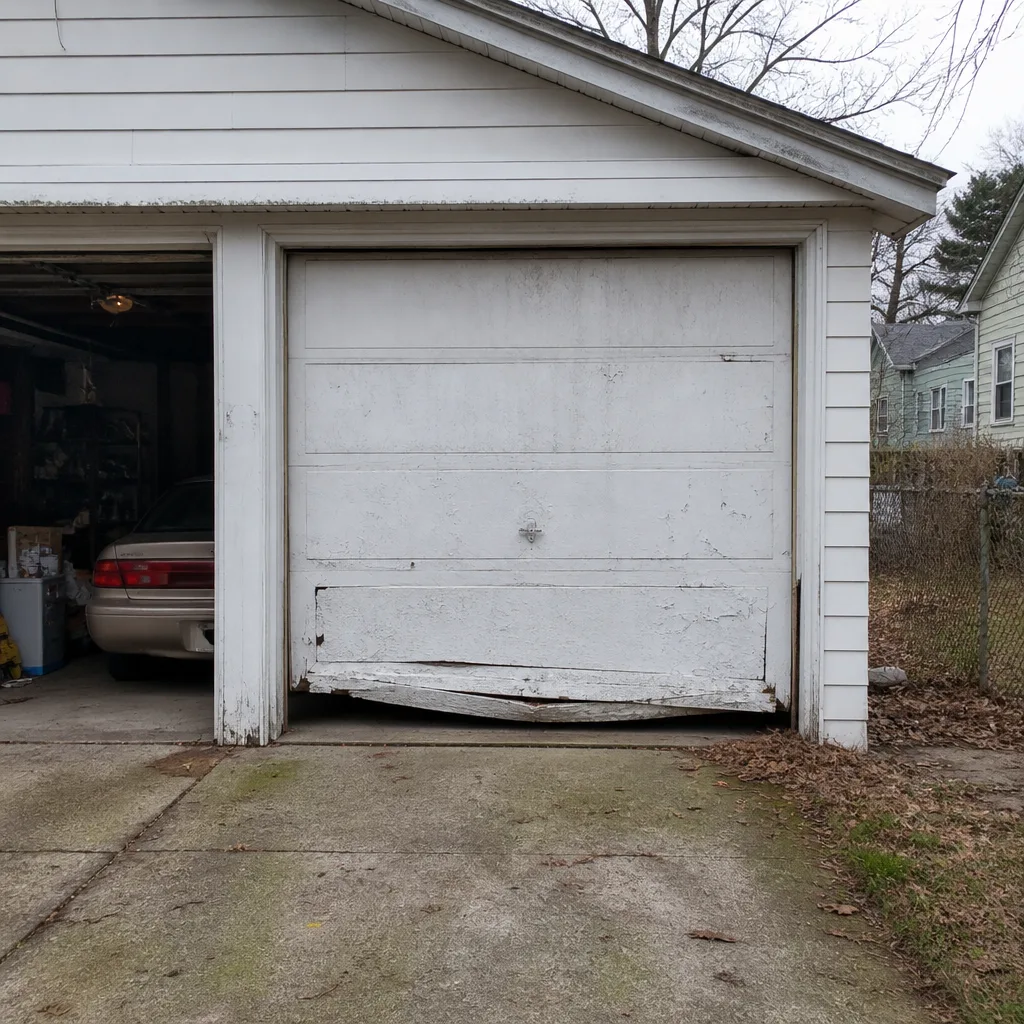 Before
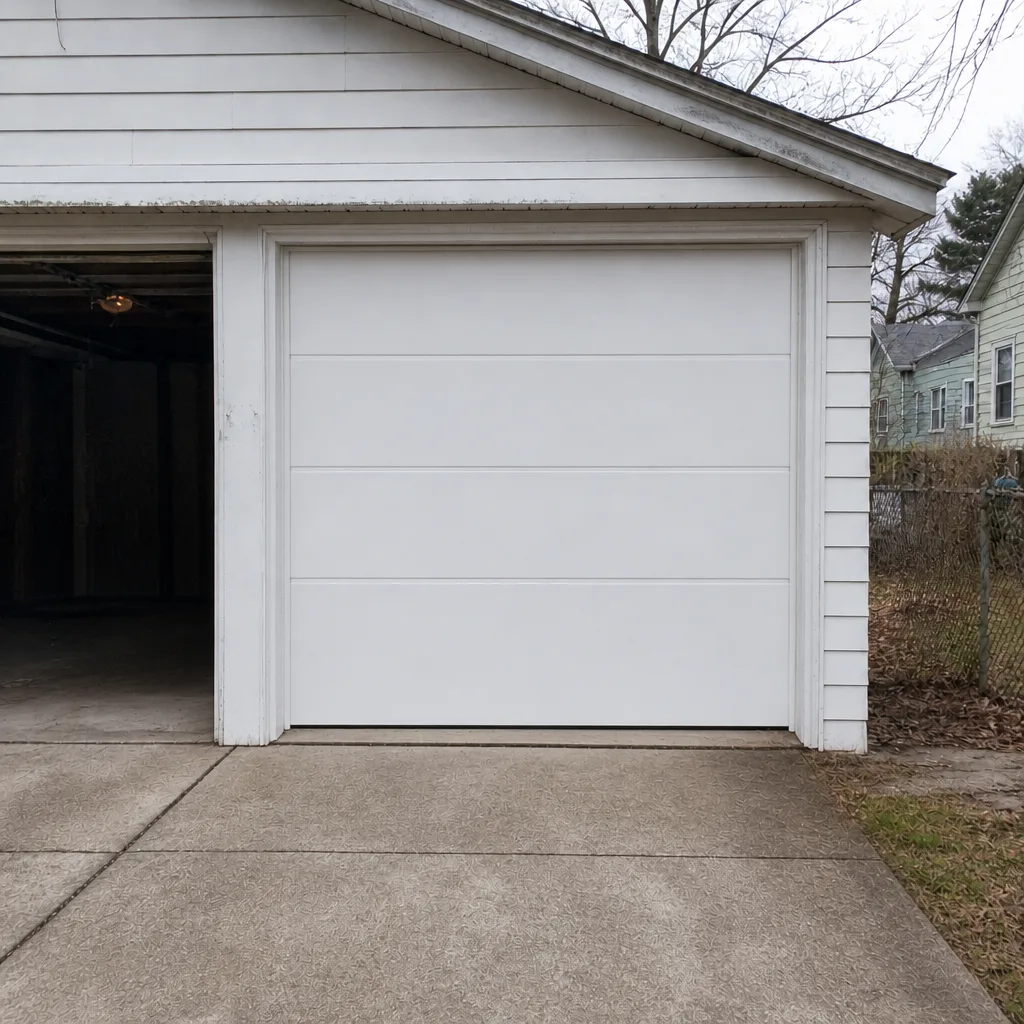 After
When to Call a Professional
Some tasks in this guide are yours to handle: cleaning seals, lubricating tracks, testing sensors, checking for warping. Others are not. Call a technician when the torsion springs show any sign of failure, when the door won’t reverse on contact, when cables are frayed, or when the door binds and tracks are visibly out of alignment. Call for a stuck door that won’t free after a warm-water attempt, and call if you’re considering a new installation instead of a repair – replacing a door is a different job than fixing it, and both are within scope. Quincy Garage Door Repair Co offers free estimates in Quincy – call (855) 337-1177. We work on the brands in your garage, from LiftMaster and Chamberlain openers to Clopay, Amarr, and Wayne Dalton doors.
Frequently Asked Questions
A light check each month and a more thorough one each season is the right rhythm. The most important check is the October pre-winter prep, because that’s when the door is most at risk.
Yes, and it’s one of the simplest things you can do. A dry lubricant on rollers and hinges a few times a year, with a cold-weather formula from October through March, keeps the door moving smoothly. Avoid heavy grease, which collects grit.
Don’t force it with the opener. Warm water along the seal edge can free it, and a daytime thaw often does the job. Plan to replace the bottom seal in spring, because freezing means the seal has lost its grip.
No. Torsion springs are under high tension and the risk of serious injury is real. Spring replacement is a job for a trained technician with the right tools. This is the one part of garage door maintenance we strongly recommend against DIY.
Humidity causes wood to expand, and dry heat causes it to contract. That cycling moves panels and loosens hinges. Check the finish for cracks, tighten hinges, and consider repainting or resealing before fall. If the warping is severe, a replacement with an insulated steel door from a brand like Amarr or Clopay may be worth pricing.
Maintenance and inspection pricing varies by job, so we quote per visit after seeing the door. A tune-up is far less than a repair, and a written estimate sets the final price. Call for a free estimate, and we’ll tell you what the door needs.
The Bottom Line
Quincy’s seasons each hit a garage door differently, and the maintenance that matters is the maintenance timed to the season. Forget the “one tune-up a year” habit. Instead, think in terms of pre-freeze prep in October, freeze-watch in winter, damage assessment in spring, and humidity management in summer. The homeowners who avoid expensive surprises are the ones doing a 15-minute check once a month, not the ones calling for emergency repair in February.
If you’re not sure where your door stands, or if a problem has come up that’s beyond a visual check, that’s exactly what we’re here for. One call covers it, from the broken spring to the door that needs replacing. Quincy Garage Door Repair Co is reachable at (855) 337-1177. Estimates are free, and we’ll walk you through what your door needs for this season and the next.
Written by the team at Quincy Garage Door Repair Co.